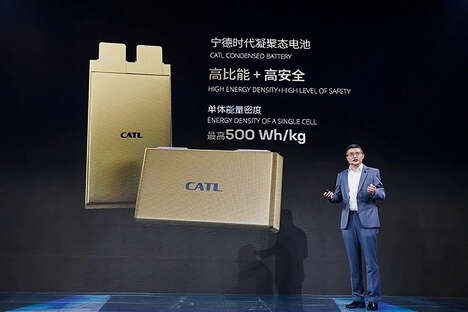
The Contemporary Amperex Technology Co. LTD., or CATL, revealed that it developed an EV battery cell that can extend the battery life of an EV by a significant amount. CATL indicates that the new EV battery cell can last for 1.24 miles or approximately 16 years of driving. Most current EV batters can only last 200,000 miles, so the new technology could drastically increase the life of electrically powered cars.
The announcement was made by Zeng Yuqun, the CEO of CATL, who also indicated that Elon Must visited the facility in China. Musk also indicated that Tesla will incorporate the new EV battery cell in future editions of the Tesla Model 3 Sedan.
The new technology will not only extend the life of EVs, but it may also reduce costs as batteries are often the most expensive component of an electric vehicle.
Image Credit: Shutterstock
What's Driving This Trend
- Long-lasting EV Batteries
- CATL developed a new EV battery cell technology that can last for 16 years of driving, compared to the current lifespan of 200,000 miles.
- Reduced Cost of EV Batteries
- The new technology could reduce costs as batteries are the most expensive component of an electric vehicle.
- Increased Adoption of Evs
- Long-lasting EV batteries could increase the adoption of EVs by reducing consumer concerns about battery replacement and maintenance costs.
Who This Affects Most
- Automotive Industry
- Automakers can incorporate the new technology in their EVs, creating a competitive advantage and reducing manufacturing costs.
- Battery Industry
- Battery manufacturers can invest in research and development, creating new and more efficient batteries for electric vehicles.
- Renewable Energy Industry
- The extended lifespan of EV batteries could enhance the growth of the renewable energy industry by enabling more efficient and long-lasting energy storage solutions.