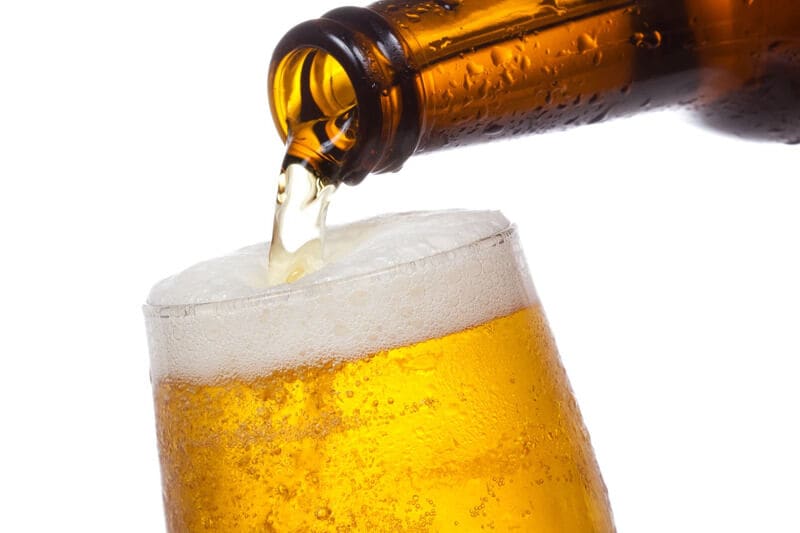
Scientists at the University of Copenhagen engineered yeast to create a non-alcoholic beer that tastes just as authentic as its alcoholic counterpart. Some complaints about non-alcoholic beer are focused on the lack of flavor. Danish scientists claim to have overcome this issue with genetically engineered baker's yeast to give the beer two types of hops.
Bittering hops and aroma hops are detectable in the de-alcoholized beer. This is accomplished by engineering common Saccharomyces cerevisiae yeast to produce molecules known as monoterpenoids, which take the place of the aroma hops. A spinoff company, EvodiaBio, is developing better-tasting non-alcoholic beer using the newly discovered technology. This process also provides an environmentally friendlier alternative to the growing and processing of aroma hops.
Image Credit: New Atlas
Why This Trend Is Growing
- Yeast Engineering
- Disruptive innovations could emerge from research in yeast engineering for various applications, including personalized food and beverage production.
- Flavor Enhancement
- Technologies that improve the flavor quality of de-alcoholized beverages unlock new product development opportunities.
- Eco-friendly Alternatives
- Environmental consciousness drives the demand for sustainable brewing solutions, reducing the industry's carbon footprint.
Industries Being Reshaped
- Beverage Production
- Disrupting the market with non-alcoholic beverages that match the authentic taste of their alcoholic counterparts, appealing to a wider segment of consumers.
- Biotechnology
- Enhanced yeast strains have the potential to revolutionize multiple industries, such as biofuels and pharmaceuticals, thanks to genetic engineering.
- Agriculture
- Environmentally friendly brewing processes can reduce water usage and create sustainable farming practices for hop cultivation.