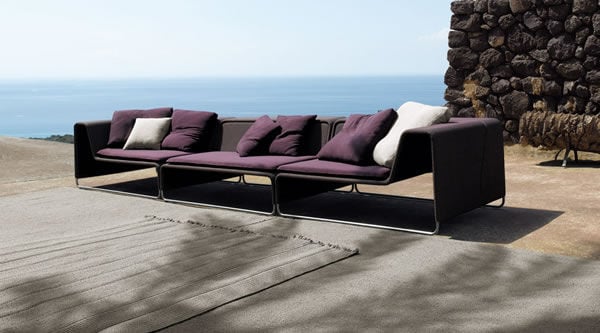
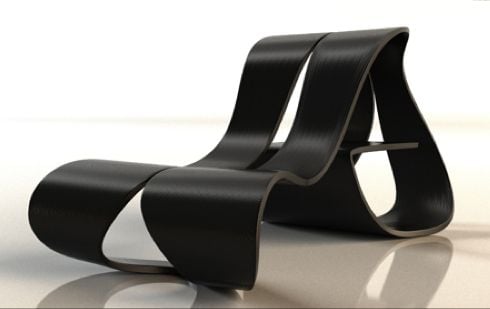
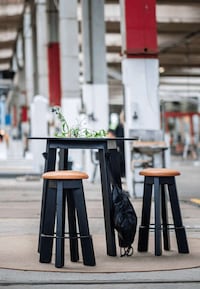
The father-daughter design team that makes up Workroom has a studio that focuses on sustainability and ecological practices.
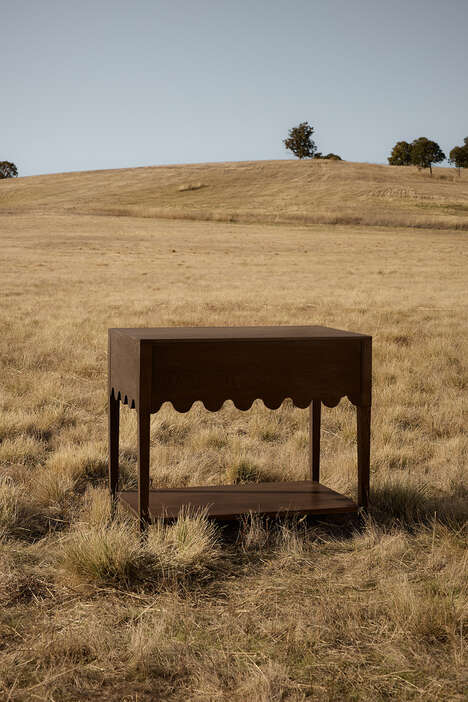
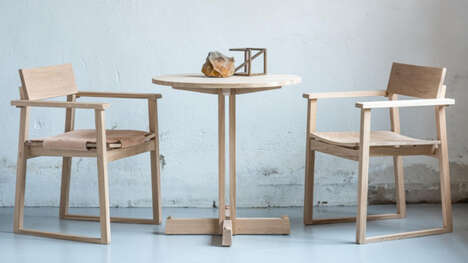
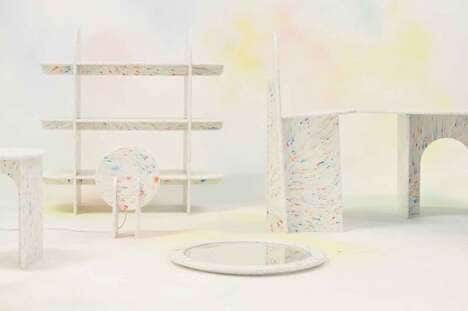
Based out of New Zealand, all of Workroom's home accessories and furniture are made from recycled New Zealand wood.
Workroom's specialty is using contrasting materials in their work such as plywood, Matai, Tawa, Kauri,
Rimu, and lacquered surfaces.
Implications - There is more to great furniture than how it looks, and the best part of these sustainable pieces of interior decor is that they represent a shift towards eco-friendly manufacturing awareness. As climate change becomes a more and more pressing issue, more and more customers will begin to place a greater priority on how their products are made. Even the largest furniture companies in the world would be wise to learn from Workroom's business model in this respect.
What Makes This Trend Stand Out
- Sustainable Home Decor
- The increasing awareness of climate change is pushing consumers to prioritize eco-friendly manufacturing in their home decor choices.
- Recycled Materials
- The use of recycled materials in furniture and accessories is becoming a popular trend as consumers seek more sustainable options.
- Contrasting Materials
- Designers are experimenting with contrasting materials, such as plywood and lacquered surfaces, to create unique and visually appealing home decor pieces.
Sectors Adopting This
- Furniture Manufacturing
- The furniture manufacturing industry can capitalize on the trend of using recycled materials and sustainable practices to create eco-friendly products.
- Home Decor Retail
- As consumers prioritize sustainability, home decor retailers can meet the demand by offering a wide range of sustainable and recycled products.
- Interior Design
- Interior designers can incorporate the trend of using contrasting materials to create visually striking and eco-friendly spaces for their clients.