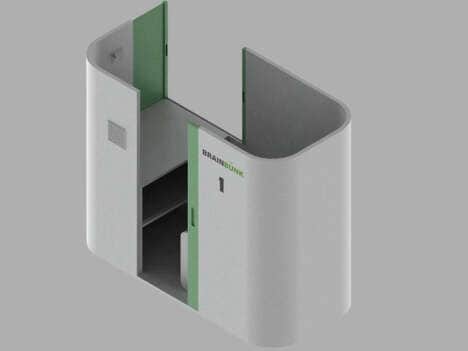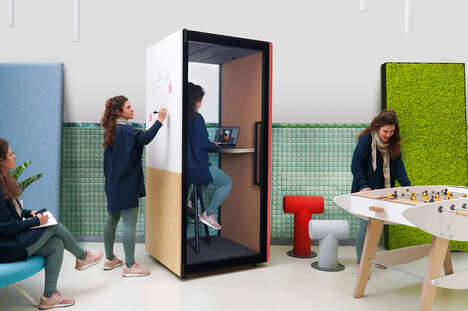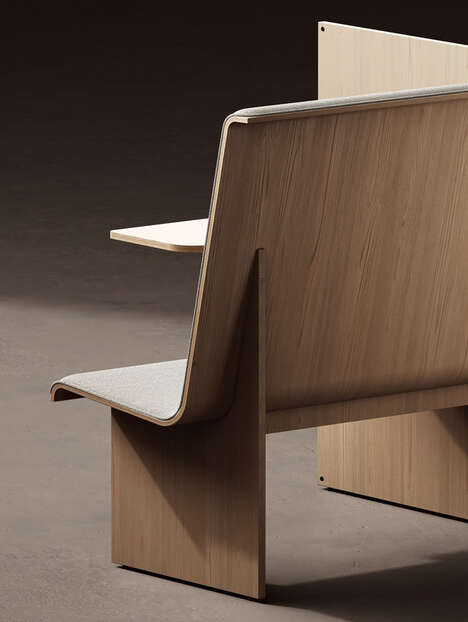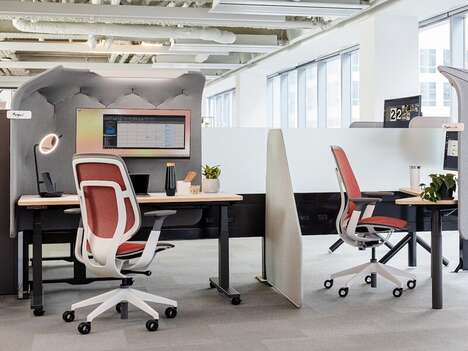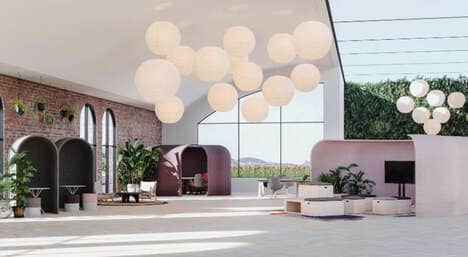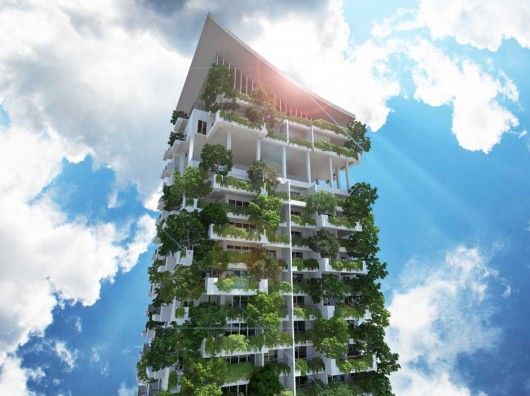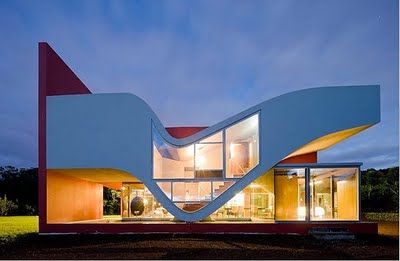
Michael Jantzen's 'E-Scape Personal Work Spaces' make for a unique office building that can be re-arranged as the user sees fit.
As with all of the other creations in this eco artist's lineup, this self-contained, swirly workspace is made from environmentally conscious materials to reduce the impact on the planet. All of the wood and fabric used in these structures is sustainably grown and Eco-friendly.
The most interesting part about these novel takes on the traditional cubicle is that they can be re-assembled multiple times to fit the needs of the specific worker. This eliminates the need to reconstruct a whole new space when a new employee comes on to the staff or when the current employee needs something that functions a bit differently from the area they are presently working out of.
Key Themes Behind This Trend
- Sustainable Modular Workspaces
- Creating customizable office spaces using sustainable materials can reduce the environmental impact and enable companies to adjust to changing needs.
- Flexible Office Design
- The ability to rearrange and modify workspace layouts provides companies with a more adaptable and efficient office design.
- Eco-friendly Architecture
- Increasing the use of environmentally responsible resources in construction and design can lead to more innovative and sustainable building methods.
Where This Applies
- Office Furniture Manufacturing
- Creating customizable and sustainable office furniture can meet the demands of companies seeking more adaptable work environments.
- Architecture and Design
- Innovative architects and designers can develop new environmentally conscious building methods and designs to meet the needs of businesses and individuals.
- Construction and Development
- Using eco-friendly materials and design strategies in construction can lead to more sustainable and efficient building methods.