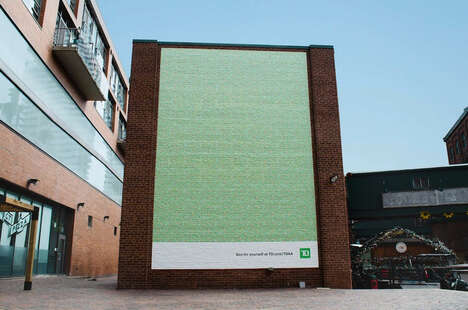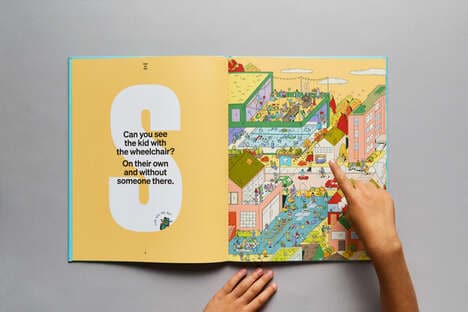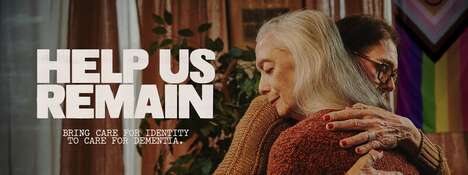
In an effort to raise awareness for children living with Dyslexia, the non profit Dyslexia Canada, has released a campaign dubbed "It's Hard to Read" which offers insights into the neurological condition.
Roughly 15 - 20% of children are diagnosed with Dyslexia, and while the resources are out there to support them through education, there's a gap in public knowledge. To help people understand what it is like to live with the condition, Dyslexia Canada partnered with agency Dentsumcgarrybowen to create a dizzying website. The site features jumbled letters a background that contrasts the font, making for a confusing reading experience that's similar to how those living with the learning disorder interpret words and phrases.
Image Credit: Dyslexia Canada
Key Themes Behind This Trend
- Dyslexia Awareness Campaigns
- Organizations are increasing their efforts to raise awareness and educate the public about Dyslexia.
- Neurodiversity Acceptance
- The movement towards accepting and accommodating differences in neurological functioning is gaining traction.
- Accessible Web Design
- Web designers are exploring new ways to make websites accessible for individuals with learning disorders like Dyslexia.
Where This Applies
- Education
- Educational institutions can take advantage of these awareness campaigns and work towards creating inclusive learning environments.
- Non-profit
- Non-profit organizations that focus on supporting individuals with learning disorders can use these campaigns and websites to connect with a wider audience.
- Web Design
- Web designers can tap into the need for accessible web design by exploring new technologies and design approaches.