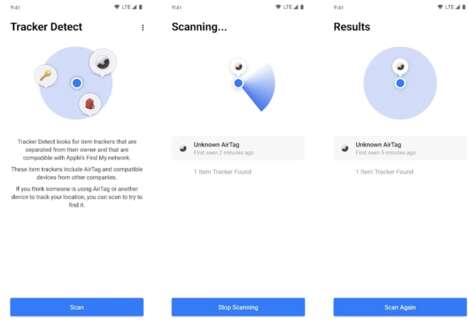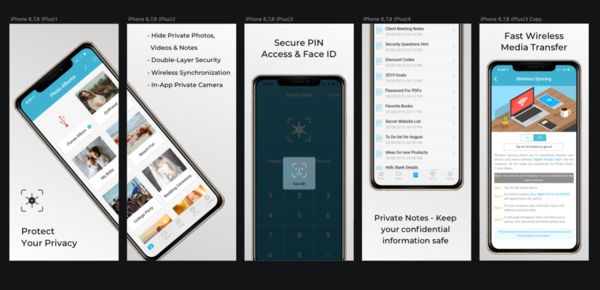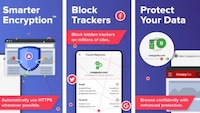

Patrick Jackson, a developer and former NSA researcher, created a mobile application for Apple and iOS devices titled 'Do Not Track Kids.' This application runs on a subscription model, retailing for $5 USD per month. For this price, users receive full data tracking prevention. The Do Not Track Kids application runs in the background while the Apple device is in use. Then, if any external application or service requests internal user data, the request is blocked, protecting the privacy and security of the user.
The application is targeted toward parents who want to protect their children's online activities, but the app can be used just as easily by an adult wanting to protect their own data. However, if the application is opened itself, rather than simply running in the background, it acts as an educational tool for children, offering insights and tutorials on the importance of digital privacy.
Image Credit: Do Not Track Kids
Key Themes Behind This Trend
- Privacy-protecting Apps
- Developing apps that block data harvesting and offer full data tracking prevention is a disruptive innovation opportunity.
- Subscription-based Mobile Applications
- Creating subscription-based mobile applications that offer full data tracking prevention is a disruptive innovation opportunity.
- Educational Privacy Tools
- Designing educational privacy tools and features for mobile applications is a disruptive innovation opportunity.
Where This Applies
- Mobile App Development
- Developing privacy-focused mobile applications is a disruptive innovation opportunity.
- Privacy and Security
- Creating innovative solutions for privacy and security in the technology and online industry is a disruptive innovation opportunity.
- E-learning and Education Technology
- Integrating educational privacy tools and features in e-learning and education technology is a disruptive innovation opportunity.