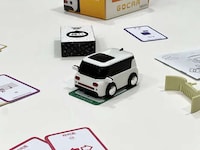
As a result of putting together a SunFounder PiCar-S Raspberry Pi Kit, one will have the chance to enjoy the experience of putting together a DIY toy car, while also learning the basics of programming and robotics.
The self-driving toy car kit provides all of the components necessary to build a PiCar-S vehicle that runs on Raspberry Pi. With the included Python code in the kit, the PiCar-S can be programmed to avoid obstacles, as well as follow a light or a line to get around.
Although kids of the past have been captivated by remote control toy cars, next-generation toys like the PiCar-S are emerging, challenging kids to become the creators of their own playthings that boast incredible built-in features and many educational lessons.
What Makes This Trend Stand Out
- DIY Robotics Kits
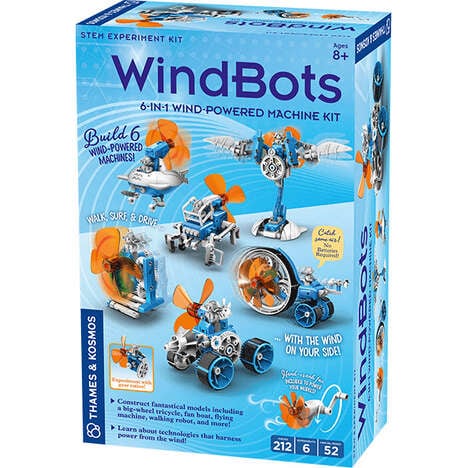
- The rise of DIY robotics kits is disrupting the traditional toy industry and providing options for kids to not only play, but also learn programming and robotics.
- Self-driving Toy Cars
- The emergence of self-driving toy cars is creating opportunities for kids to explore advanced robotics technology in a fun and engaging way.
- Programming for Kids
- Teaching kids programming is becoming a rising trend in toy industry, as companies seek to create more engaging educational toys with built-in coding activities.
Sectors Adopting This
- Toy Industry
- The toy industry has an opportunity to embrace technological innovation in order to create educational toys and capture the interests of modern kids.
- Robotics Industry
- DIY robotics kits like the PiCar-S are creating new opportunities in the robotics industry, as younger generations become interested in learning and experimenting with robotics.
- Education Industry
- Robotics kits that teach programming and basic robotics concepts are creating opportunities for the education industry to develop more interactive and hands-on STEM curriculum.