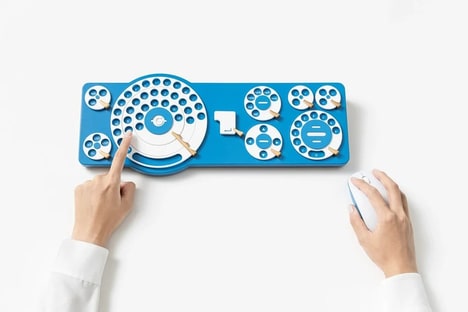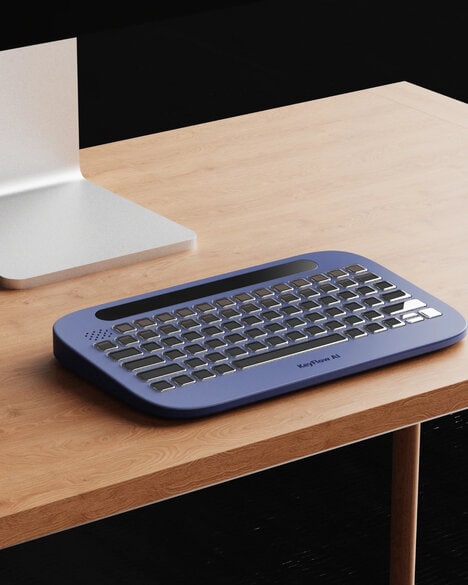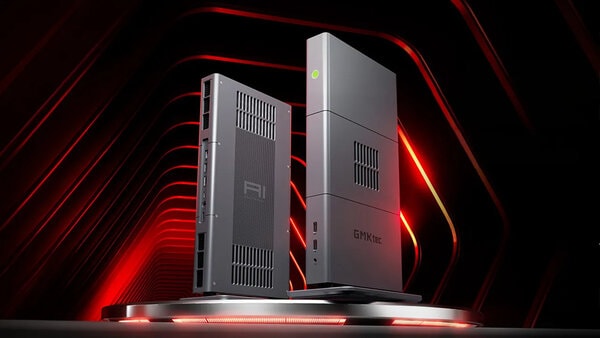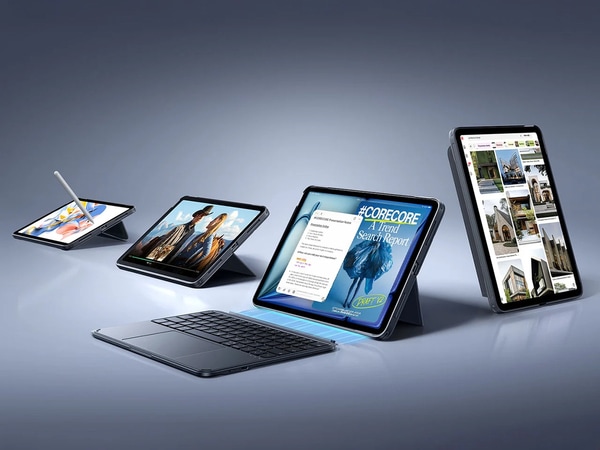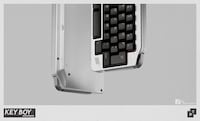
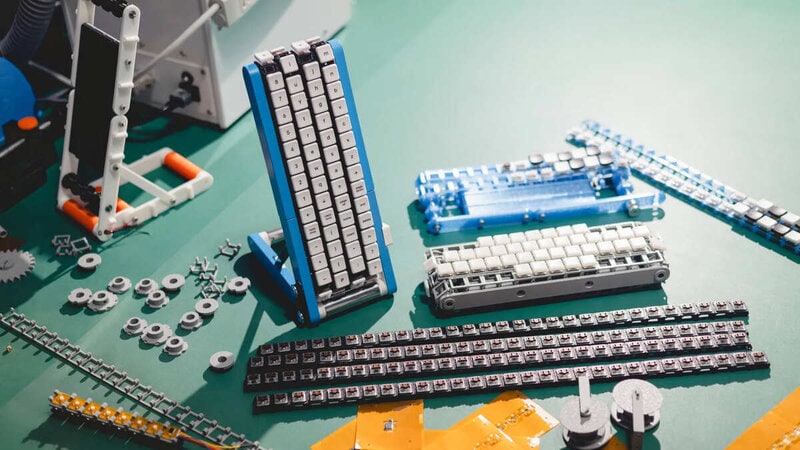
Google Japan turns typing into a waiting game with a do-it-yourself Gboard that lets users stay put while each letter circles into reach. The keyboard replaces a fixed key field with letters riding a conveyor loop, so entering text becomes a matter of timing rather than finger travel.
Rather than a retail model, the project provides open-source plans that let makers assemble their own version from scratch. That shifts the concept from a one-off gag to a buildable experiment, giving curious users a way to test a very different relationship with typing.
For consumers, this means the keyboard feels more like a playful maker project than a productivity upgrade. In a category usually judged by speed alone, Google Japan is making room for customization and experience alongside everyday functionality.
Image Credit: Google
Why This Trend Is Growing
- Kinetic Typing Interfaces
- Moving input surfaces reframe text entry as a timed interaction, creating space for experimental devices that prioritize novelty, accessibility, and user experience over conventional speed metrics.
- Open-source Hardware Play
- Shared build plans turn branded prototypes into participatory maker projects, enabling communities to modify, reproduce, and extend unconventional product concepts without traditional retail constraints.
- Experience-led Peripherals
- Computer accessories are increasingly valued for personalization and entertainment, revealing opportunities for products that blend utility with playful interaction design.
Industries Being Reshaped
- Consumer Electronics
- Peripheral makers can explore alternative input formats that differentiate mature product categories through tactile experimentation and customizable form factors.
- Maker Education
- DIY hardware kits and open-source designs support hands-on learning environments where students and hobbyists can study mechanics, coding, and interface design through unusual builds.
- Assistive Technology
- Timing-based input systems suggest new pathways for users with limited hand movement, broadening the design vocabulary for accessible communication tools.