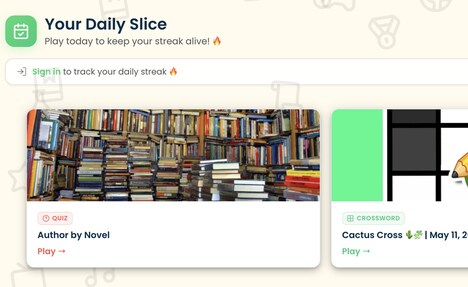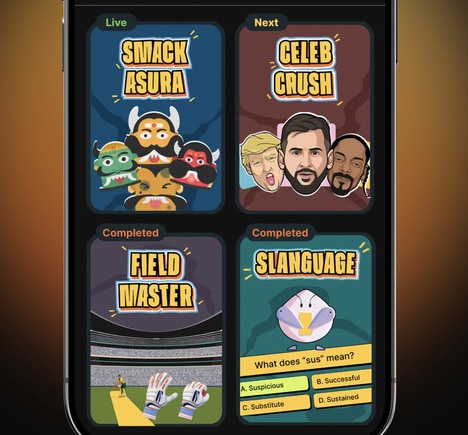

Kahoot! is expanding device-free digital learning with two new experiences designed for classrooms where students have limited device access or educators want to reduce individual screen time. Classic: Unplugged displays questions on a shared classroom screen while students discuss answers individually or in teams before the teacher submits their response. Team Tiles: Unplugged introduces a digital tileboard where groups select questions and collaborate on answers, again requiring only a shared device.
The formats allow Kahoot! to preserve its game-based learning model while addressing concerns around screen time, device availability, and inclusive classroom participation. Supporting lessons without one-to-one technology could make the platform relevant to more schools with varying technology resources. For Kahoot!, the features also strengthen its appeal to educators and school districts seeking flexible EdTech tools, potentially supporting broader institutional adoption while differentiating the platform from learning products dependent on individual student devices.
Image Credit: Kahoot!
What's Driving This Trend
- Device-free Edtech
- Shared-screen learning models broaden digital participation in classrooms where one-to-one devices are unavailable, creating space for more inclusive and infrastructure-light education platforms.
- Collaborative Game-based Learning
- Group-centered quiz formats blend play with peer discussion, signaling opportunities for learning tools that prioritize social engagement over individual screen interaction.
- Screen-limited Classrooms
- Reduced-screen instructional experiences reflect growing demand for digital products that balance technology use with educator concerns around attention, wellness, and access.
Who This Affects Most
- Education Technology
- Flexible classroom platforms that function with minimal hardware can expand institutional adoption across schools with uneven technology budgets and connectivity constraints.
- K-12 Education
- Classroom models built around shared devices support differentiated participation, giving districts more adaptable ways to integrate digital learning into traditional instruction.
- Interactive Media
- Game mechanics designed for collective, low-device environments point to new formats for engagement beyond personal screens in learning, training, and group facilitation.