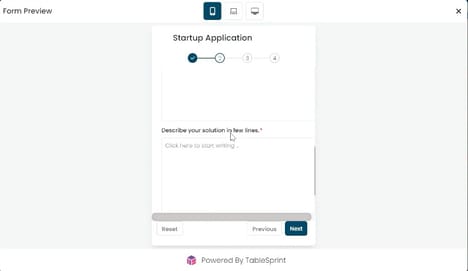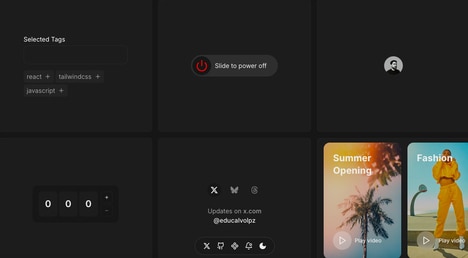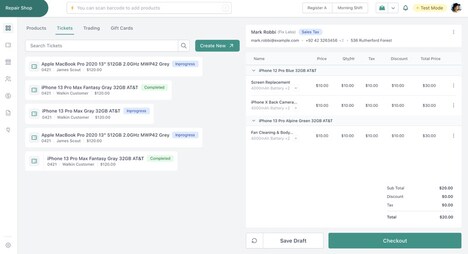
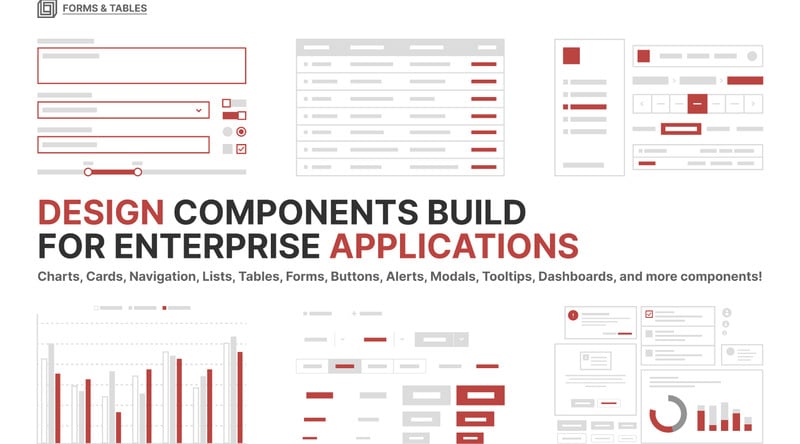
Design System – Forms & Tables is a human-centric user interface (UI) library focused on enterprise applications. It provides a collection of reusable components, patterns, and design principles aimed at creating consistent, aesthetically pleasing, and functional forms and tables.
The system emphasizes best practices in usability, accessibility, and visual hierarchy, enabling designers and developers to streamline interface development while maintaining a cohesive design language. By offering standardized UI elements, it helps reduce development time, improve collaboration between teams, and ensure consistent user experiences across applications. The platform is structured to evolve with feedback from users, reflecting an iterative approach to design system development. For businesses, it demonstrates how thoughtful, enterprise-oriented UI libraries can enhance efficiency, maintain brand consistency, and support scalable digital product development.
Image Credit: Design System – Forms & Tables
Why This Trend Is Growing
- Human-centric Design Systems
- A focus on human-centric design systems in UI libraries offers opportunities to enhance user experiences and engagement through intuitive layouts and interaction patterns.
- Reusable UI Components
- The trend toward reusable UI components enables faster development cycles and reduced costs, promoting the creation of scalable enterprise applications.
- Iterative Design Development
- Iterative design development allows for adaptability and continuous improvement in UI libraries, fostering innovation and responsiveness to user feedback.
Industries Being Reshaped
- Enterprise Software Development
- The enterprise software development industry can leverage comprehensive UI libraries to improve efficiency and product consistency across platforms.
- User Experience Design
- User experience design gains new opportunities through standardized component use, ensuring cohesive and user-friendly interfaces.
- Digital Product Innovation
- Digital product innovation benefits from UI libraries that support scalable and adaptable solutions, driving competitive advantages in the enterprise sector.