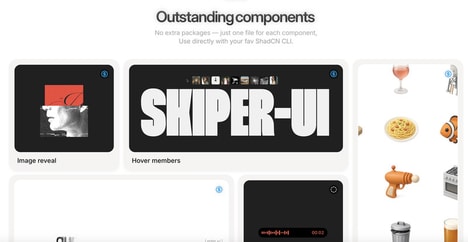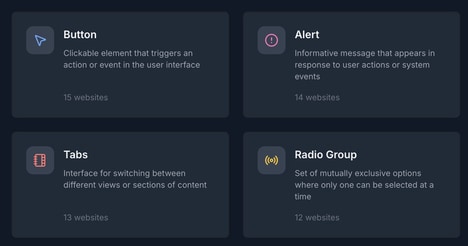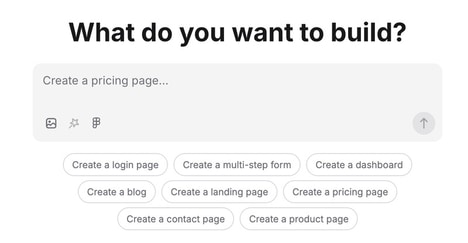
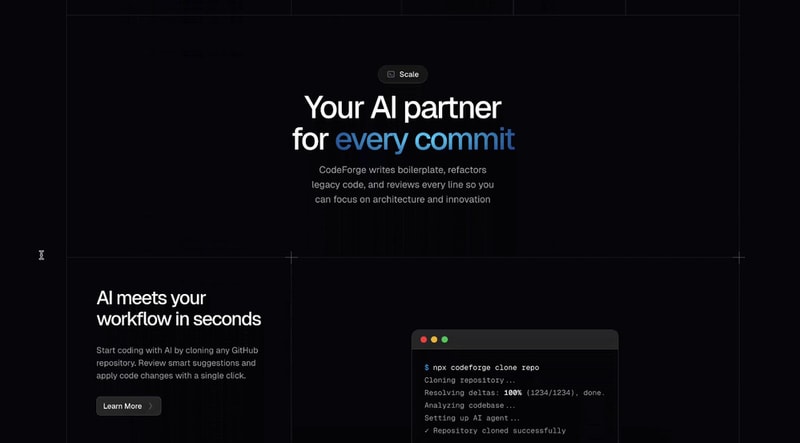
Magic UI is a component library designed for design engineers building modern web interfaces. It provides a collection of over 150 pre-built UI components and templates, including animated elements and visual effects. The library is developed using technologies such as React, TypeScript, Tailwind CSS, and Motion, aligning with widely adopted front-end development frameworks.
These components are intended to accelerate the process of designing and deploying visually engaging landing pages and user interfaces. By offering ready-to-use, customizable elements, Magic UI reduces the need for building interface components from scratch, supporting faster development cycles. It is typically used by developers and designers working on web applications, marketing pages, and product interfaces. The library reflects a broader trend toward modular, reusable design systems that improve consistency and efficiency in front-end development workflows. Its primary function is to streamline UI creation through pre-built, adaptable components.
Image Credit: Magic UI
What's Driving This Trend
- Modular Design Systems
- A shift toward standardized, interoperable components that can commoditize UI work and enable ecosystems around reusable design assets.
- Animated Component Adoption
- Growing expectation for motion-rich interfaces that could differentiate products by embedding micro-interactions and advanced animation as default features.
- Low-code Front-end Automation
- Increased tooling that assembles interfaces from prebuilt components, which may reduce developer labor and reposition value toward component curation and integration.
Who This Affects Most
- Web Development Agencies
- Agencies could see traditional custom front-end work disrupted as clients favor faster, component-driven delivery and standardized visual systems.
- Saas Product Teams
- Product teams may be able to shorten release cycles and shift investment from bespoke UI engineering to product differentiation through component libraries and design tokens.
- Marketing Technology Platforms
- Martech stacks that integrate animated, prebuilt UI templates could change how brands produce landing pages and creative, reducing reliance on specialized design resources.