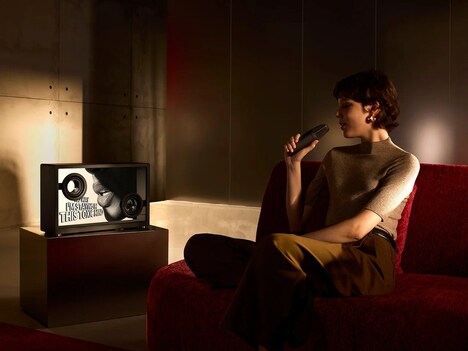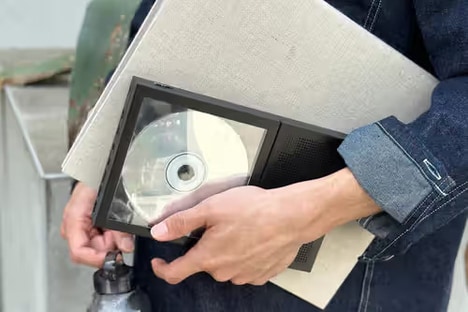
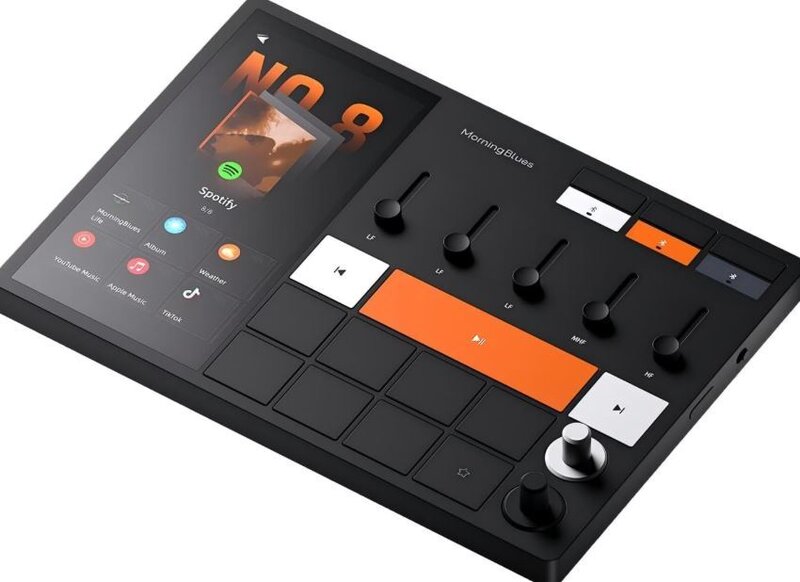
MorningBlues built the 'Music Hub C1' so people can stream and control songs from a separate screen rather than using a phone for every listening session. The device is a 6-inch touchscreen music streamer for speaker systems, and its Android operating system keeps app choices more open than a brand-locked setup.
Its 8 customizable shortcut buttons keep favorite playlists and sound setups within easy reach, cutting down on menu hunting. A vocal-removal button gives the hub a karaoke-friendly side, so it can shape the room's activity instead of only handling playback.
For shoppers, this means older stereo gear can get a cleaner, more appliance-like interface without a full system replacement. It also pushes home audio toward dedicated controls that feel purpose-built for listening, rather than borrowed from a multipurpose device.
Image Credit: MorningBlues
What Makes This Trend Stand Out
- Dedicated Audio Interfaces
- Purpose-built touchscreens for music control create space for device makers to reduce smartphone dependence while upgrading legacy sound systems with simpler, room-centered experiences.
- Open Streaming Appliances
- Android-based audio hubs signal potential for more flexible entertainment hardware that avoids closed ecosystems and supports broader app compatibility.
- Social Listening Controls
- Features such as vocal removal and quick playlist access turn streaming devices into shared activity platforms for karaoke, parties, and communal home entertainment.
Sectors Adopting This
- Consumer Electronics
- Standalone music controllers introduce new product categories that blend smart display convenience with specialized home audio functionality.
- Home Audio
- Legacy speaker and stereo systems gain renewed relevance through add-on touchscreen hubs that modernize control without requiring full equipment replacement.
- Music Streaming
- Streaming services benefit from dedicated access points that make playlists, modes, and listening routines more visible outside the smartphone interface.