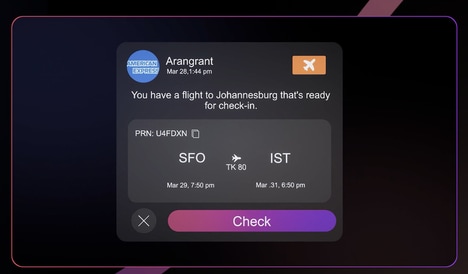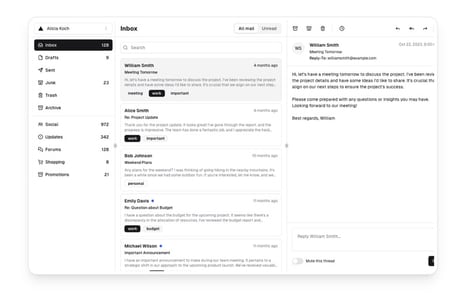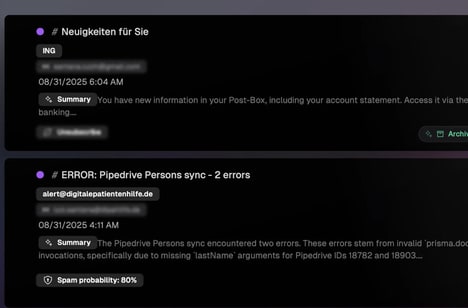

Instinct now issues dedicated email addresses for each AI agent, allowing the assistant to create and manage accounts and handle email-based tasks on a user's behalf. The addresses are designed to keep a user's inbox uncluttered while giving the agent a direct channel to complete work that requires email access.
The agent address can be used to sign up for services, contact businesses about availability or special requests, follow up on support conversations, and join group threads so the bot can track exchanges. Users can forward confirmations or long threads to the agent address so it can extract details, act autonomously when possible, and check back only when it needs input. Instinct has reserved some addresses for early users and lists claim information at mail.instinct.com.
For consumers, this means fewer manual logins and less inbox noise, as routine account tasks and follow-ups can be handled by the agent. This capability integrates with existing partnerships for login and payment support and aims to streamline task completion for everyday errands.
Image Credit: Instinct
What's Driving This Trend
- Agent-owned Inboxes
- Dedicated email addresses for AI assistants create a separate operational layer where bots can manage sign-ups, confirmations, and correspondence without cluttering personal inboxes.
- Autonomous Errand Completion
- Routine consumer tasks such as booking, follow-ups, and service requests become more streamlined as AI agents gain direct access to communication channels and contextual email threads.
- Inbox Noise Reduction
- Personal email experiences shift toward cleaner, human-focused communication as automated account activity and transactional messages move into agent-managed spaces.
Who This Affects Most
- Email Management
- AI-specific inbox infrastructure opens new product models for filtering, delegation, and automated workflow handling across consumer and professional email ecosystems.
- Virtual Assistants
- Agent email identities expand the role of digital assistants from chat-based support into persistent task managers capable of handling external service interactions.
- Consumer Services
- Businesses that interact through confirmations, availability requests, and support threads gain new pathways for serving customers through AI-mediated communication.