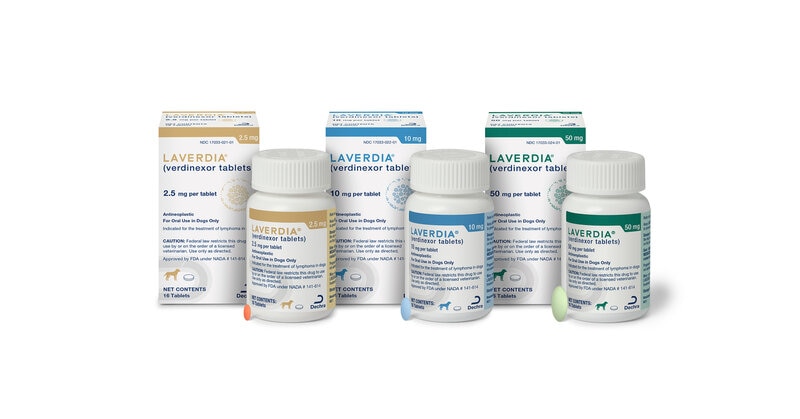
Dechra is expanding at-home canine cancer treatments with Laverdia, an FDA-approved oral therapy for dogs diagnosed with lymphoma. The verdinexor tablets can be administered at home and used immediately following diagnosis, giving veterinarians another option while families consider chemotherapy or when multi-agent chemotherapy is not preferred. Laverdia uses a targeted mechanism designed to help slow disease progression while generally sparing healthy cells and has demonstrated efficacy in both B-cell and T-cell lymphoma.
For Dechra, an oral, home-administered treatment addresses an underserved segment of canine oncology, particularly as relatively few dogs diagnosed with lymphoma receive chemotherapy. The flexible format can broaden access to treatment while allowing primary care veterinarians and oncology specialists to incorporate Laverdia at different stages of care. Offering multiple dosing options for different dog weights also supports wider adoption while strengthening Dechra’s position in specialized veterinary oncology.
Image Credit: Dechra
What Makes This Trend Stand Out
- At-home Pet Oncology
- Home-administered cancer therapies are expanding access for pet owners who may face cost, travel, or treatment-complexity barriers in traditional veterinary oncology settings.
- Oral Veterinary Therapeutics
- Tablet-based treatments are creating new flexibility in companion animal care by shifting more chronic and serious disease management outside the clinic.
- Targeted Animal Medicine
- Precision-style therapies for pets are opening space for differentiated products that address serious conditions while reducing reliance on more intensive treatment models.
Sectors Adopting This
- Veterinary Pharmaceuticals
- Specialized drug developers are finding growth in underserved companion animal diseases where convenient formats can improve treatment adoption.
- Pet Healthcare
- Care models for pets are evolving as owners seek more accessible, lower-friction options for managing complex diagnoses at home.
- Animal Oncology
- Cancer treatment for companion animals is becoming a more defined specialty market as new therapies bridge primary care and specialist-led treatment pathways.