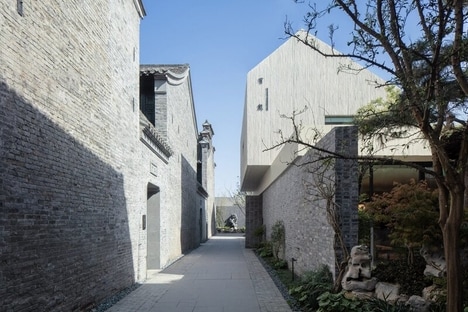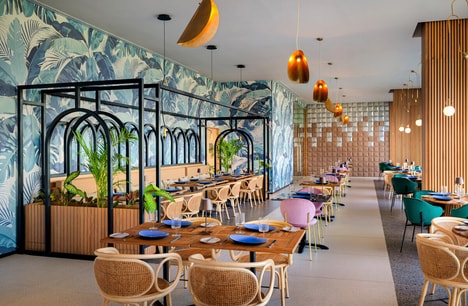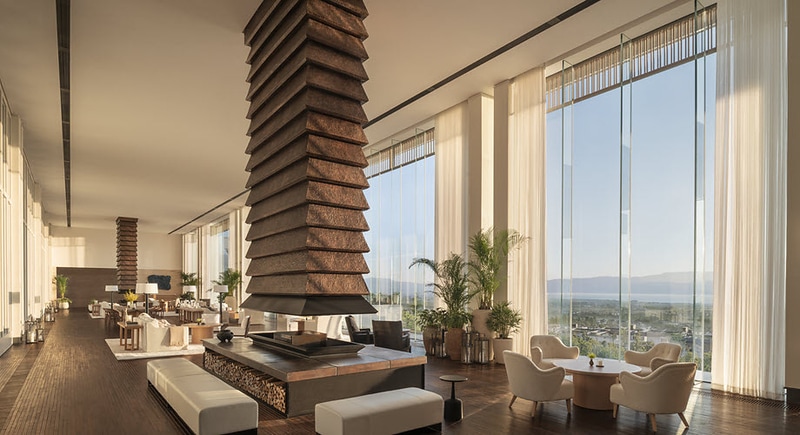
The Dali EDITION introduces a cultural luxury hospitality approach by blending contemporary design, wellness programming, and destination-specific experiences with the heritage of China's Yunnan province. Rather than offering a standardized luxury stay, the property integrates local materials, Bai architectural influences, tea rituals, foraging activities, and farm-to-table dining into a cohesive guest journey. This reflects growing demand for accommodations that deliver cultural immersion alongside premium comfort, allowing travelers to connect more deeply with a destination while enjoying modern amenities.
The implications extend beyond hospitality into tourism development and brand differentiation. Hotels can command premium pricing by transforming local culture into curated experiences that feel authentic and exclusive. For Marriott's EDITION brand, expanding into culturally rich secondary destinations such as Dali broadens its luxury portfolio while attracting experience-driven travelers seeking alternatives to major urban centers. This model also supports regional economies by showcasing local traditions, ingredients, and crafts, creating stronger connections between tourism, community identity, and long-term destination appeal.
Image Credit: Marriott International, Inc.
What's Driving This Trend
- Cultural Luxury Stays
- Luxury accommodations are evolving into immersive cultural platforms where local architecture, rituals, materials, and cuisine create premium experiences distinct from standardized high-end travel.
- Heritage-led Wellness
- Wellness programming rooted in regional traditions, natural landscapes, and ancestral practices gives hospitality brands a differentiated path beyond generic spa and fitness offerings.
- Secondary-destination Premiumization
- Culturally rich non-urban destinations are gaining luxury appeal as travelers seek exclusivity, authenticity, and deeper place-based experiences outside established gateway cities.
Who This Affects Most
- Luxury Hospitality
- Boutique and global hotel brands are using destination-specific design and curated local experiences to redefine premium value and strengthen brand differentiation.
- Cultural Tourism
- Regional tourism ecosystems benefit from hospitality models that package crafts, cuisine, architecture, and community heritage into commercially scalable visitor experiences.
- Farm-to-table Dining
- Local sourcing and culinary storytelling are becoming central to luxury travel, turning regional ingredients and food traditions into high-margin experiential assets.