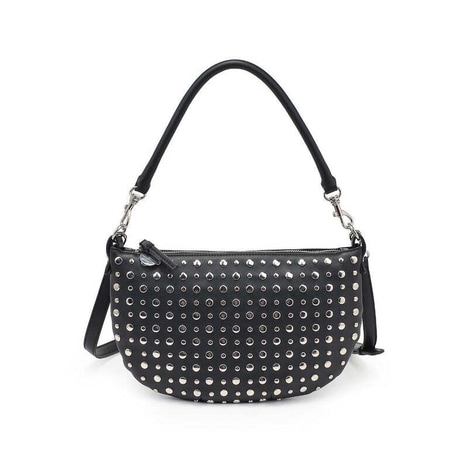
In partnership with Freedom of Animals, PETA released two special edition cruelty-free bag designs that show that there's no need to sacrifice animals for style. The bags are made in the USA and crafted from post-consumer polyurethane, organic cotton and material made from what used to be plastic bottles. The coloring of the bags is achieved with the use of vegetable-based dyes.
Each of the bags has been given a witty name in the from of a hashtag, including the #AnimalsWeGotYourBackpack backpack and the black and white #TotesForTilly tote, created to raise awareness on Tilikum, the captive orca whale at Sea World. Each of the bags is being introduced at a special introductory price through the first week of October.
What Makes This Trend Stand Out
- Cruelty-free Fashion
- The trend towards cruelty-free and sustainable fashion offers disruptive innovation opportunities for manufacturers to develop new materials and processes for environmentally conscious fashion products.
- Post-consumer Materials
- The use of post-consumer materials in fashion products presents disruptive innovation opportunities for companies to create new and unique recycling and manufacturing processes that reduce waste and promote sustainability.
- Vegetable-based Dyes
- The trend towards vegetable-based dyes in fashion presents disruptive innovation opportunities for manufacturers to create new, sustainable and eco-friendly coloring processes in the fashion industry.
Sectors Adopting This
- Fashion
- The fashion industry can take advantage of the trend towards sustainable and eco-friendly materials and processes to offer consumers a wider range of environmentally conscious products.
- Manufacturing
- The use of post-consumer materials in manufacturing presents significant disruptive innovation opportunities for companies to develop new and unique recycling and manufacturing processes that reduce waste and promote sustainability.
- Retail
- The rise of cruelty-free and sustainable fashion presents an opportunity for retailers to offer a wider range of environmentally conscious products to consumers.