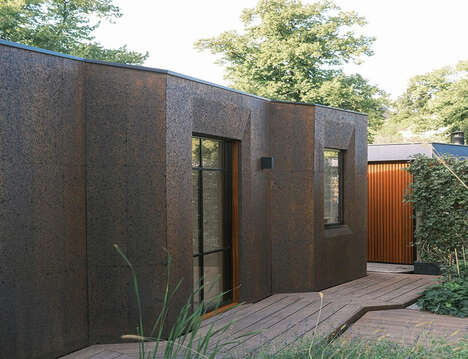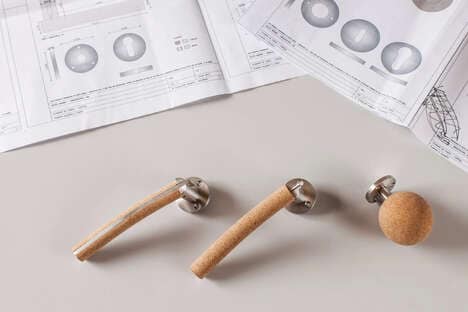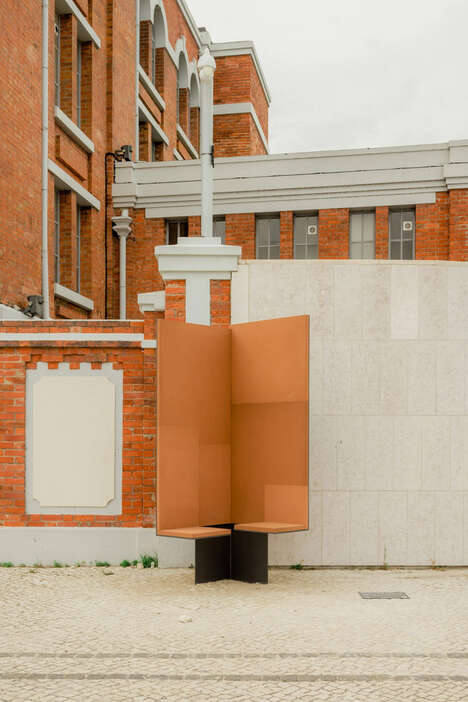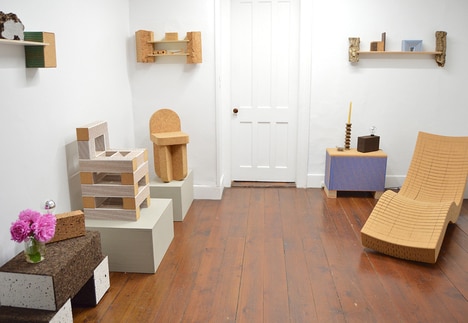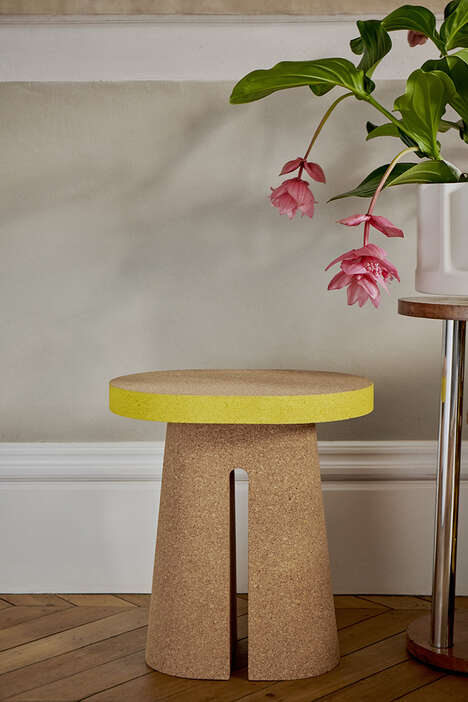
There are many materials that can be used to cover a building, but Arquitectos Anónimos went with cork to make the aptly named Cork House.
The Cork House might seem like a relatively normal structure, but within its innovative shell of corks lies a six-room rectangular house that scoffs at the notion of using non-sustainable building materials to cover a building. Also, the Cork House gets bonus points because its critical ingredient is also locally sourced since Portugal supplies 50 percent of the world's cork material.
What Makes This Trend Stand Out
- Sustainable Building Materials
- Exploring alternative materials for construction that are environmentally friendly and renewable presents disruptive innovation opportunities in the construction industry.
- Innovative Exterior Design
- Designing buildings with unconventional and visually striking exteriors provides disruptive innovation opportunities in architectural design and construction.
- Local Sourcing
- Embracing locally sourced materials for construction promotes sustainability and offers disruptive innovation opportunities in the construction industry.
Sectors Adopting This
- Construction
- The construction industry can benefit from embracing sustainable building materials and innovative exterior design to create environmentally friendly and visually appealing structures.
- Architecture
- The architecture industry can explore alternative materials and innovative exterior designs to create unique and sustainable buildings that push the boundaries of traditional architectural norms.
- Renewable Materials
- The renewable materials industry can promote the use of locally sourced materials, such as cork, for construction, offering sustainable and eco-friendly alternatives to traditional building materials.