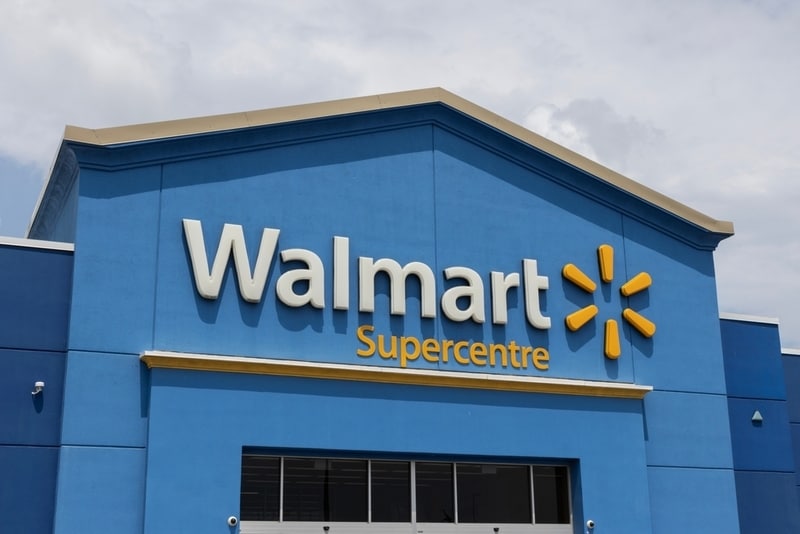
Walmart signed a long-term power purchase agreement with Constellation Energy for emissions-free electricity from the Dresden Clean Energy Center in Illinois, marking one of the first agreements of its kind between a major U.S. retailer and a nuclear energy facility. The deal covers approximately 176 MW of wholesale supply, including 30 MW of expanded generating capacity, through two 15-year terms beginning in 2029 and 2030.
The agreement supports planned efficiency upgrades at the nuclear facility while helping provide enough new power to the grid to support Walmart's high-tech perishable distribution center under development in Belvidere, Illinois. It also strengthens local energy infrastructure and supports regional jobs.
For Walmart, the agreement expands access to reliable, emissions-free electricity, reflecting the growing role of existing nuclear generation in helping large companies meet long-term energy needs.
Image Credit: Shutterstock/Jonathan Weiss
What's Driving This Trend
- Corporate Nuclear Ppas
- Long-term nuclear procurement agreements give large enterprises a more dependable path to emissions-free electricity while creating new financial models for keeping existing reactors competitive.
- Retail Energy Resilience
- Major retailers are tying clean power contracts to mission-critical logistics infrastructure, revealing opportunities for energy planning that protects cold chains, automation systems, and regional operations.
- Grid-linked Facility Expansion
- Industrial and distribution center growth is increasingly paired with new clean capacity additions, making corporate load growth a catalyst for localized grid modernization.
Who This Affects Most
- Nuclear Energy
- Existing nuclear operators can use corporate demand for 24/7 clean power to fund upgrades, extend asset value, and position reactors as strategic infrastructure for commercial growth.
- Retail
- Large-scale merchants are reshaping sustainability strategy around direct clean energy sourcing, enabling tighter links between operational expansion, carbon targets, and energy reliability.
- Logistics
- High-tech distribution networks depend on stable electricity for refrigeration, automation, and data-driven operations, creating demand for integrated clean power supply partnerships.