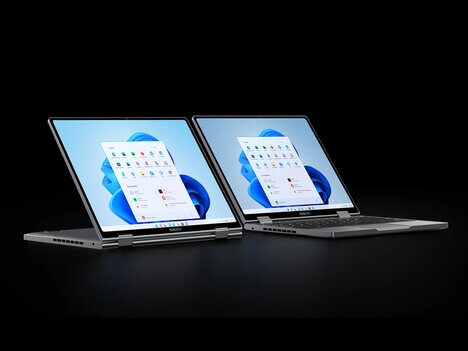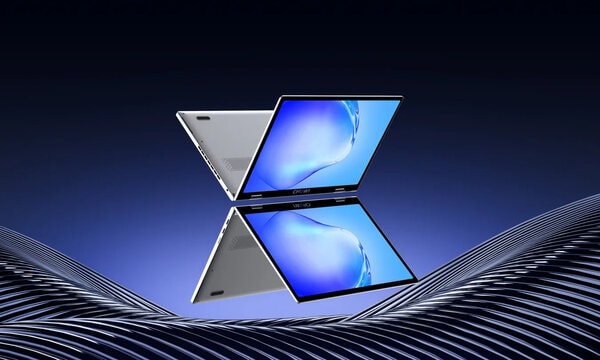
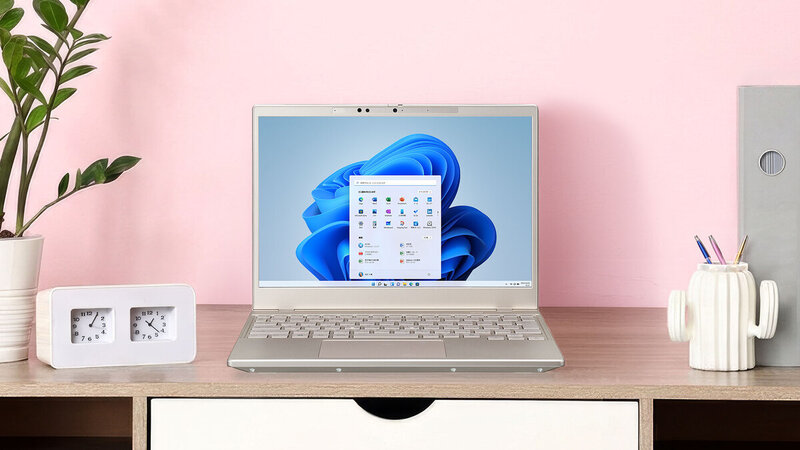
Mouse Computer’s X2 is a compact laptop that pairs a 12.2-inch, 1,920 x 1,200 display with AMD processors ranging up to the Ryzen AI 7 350. It weighs 981 grams and features a 180-degree hinge, claimed 100% sRGB coverage and a 2-megapixel webcam with Windows Hello support.
Processor options include the Ryzen 5 216, Ryzen AI 5 340 and Ryzen AI 7 350. The laptop ships with single-channel memory and an open SO-DIMM slot for expansion to 32 GB of DDR5 RAM. It also includes a 500 GB NVMe M.2 SSD, Wi-Fi 7, Bluetooth 5, gigabit Ethernet, USB Type-A, HDMI, microSD and a 60 Wh battery.
The sub-1-kilogram design reflects demand for ultraportable laptops that retain memory expansion and broad connectivity. This gives Mouse a differentiated option for mobile productivity in Japan, although global availability remains limited. Mouse offers Ryzen AI 5 and Ryzen AI 7 configurations through its online store for ¥239,800 and ¥259,000, respectively.
Image Credit: Mouse
Key Themes Behind This Trend
- Sub-kilogram Productivity
- Compact laptops under one kilogram create white space for premium mobile work devices that preserve full-day utility without sacrificing professional-grade performance.
- Upgradeable Ultraportables
- Expandable memory in thin-and-light machines signals renewed differentiation for users who want longevity and customization in devices typically defined by sealed designs.
- On-device AI Computing
- Ryzen AI configurations point to growing demand for local AI acceleration that supports productivity, security and collaboration features without relying entirely on cloud processing.
Where This Applies
- Consumer Electronics
- Ultra-light laptops with advanced displays, webcams and connectivity broaden competitive opportunities in portable hardware designed for hybrid work and travel.
- Enterprise Technology
- Business buyers gain new options from compact AI-enabled notebooks that balance manageability, security authentication and upgrade paths for distributed teams.
- Computer Components
- Demand for efficient mobile processors, DDR5 memory, Wi-Fi 7 modules and compact storage formats strengthens the role of component innovation in ultraportable device design.