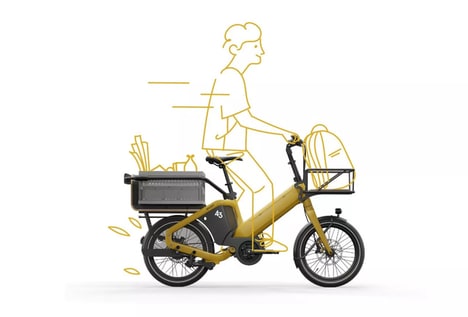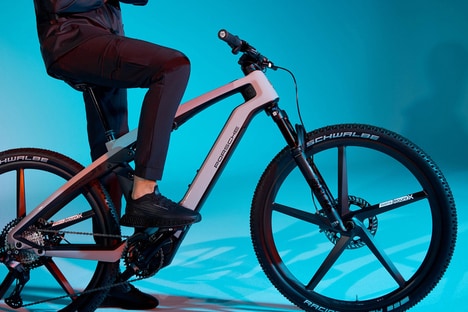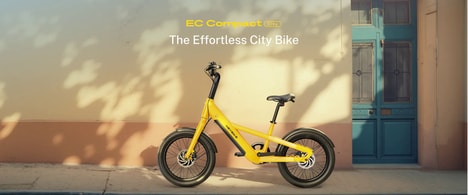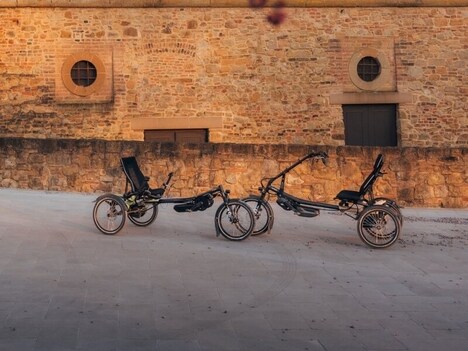
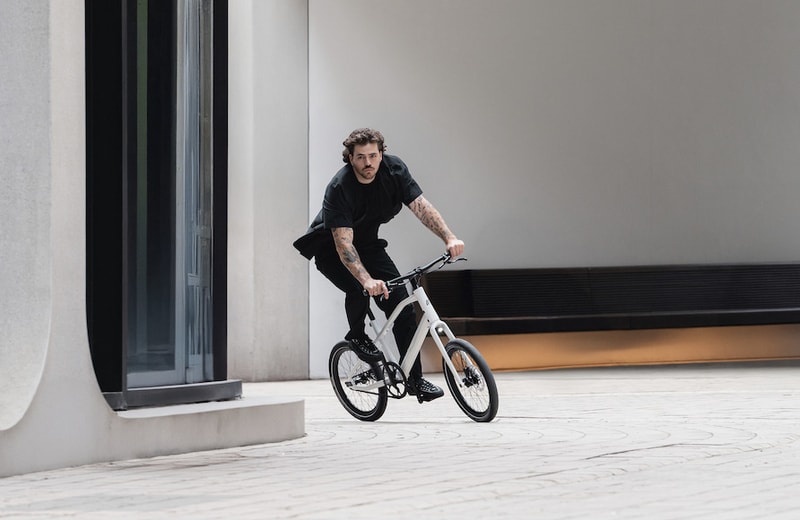
Schindelhauer has introduced Neo — a compact bicycle line that translates the Berlin-based brand's iconic design language into an agile, space-saving format for the first time.
Schindelhauer's Neo compact bicycle range boasts three model variants, including Neo, Neo Classic, and Neo Electric. Each caters to diverse urban mobility needs while maintaining a unified aesthetic and a 'one size fits most' frame geometry that can accommodate riders from 158 to 192 centimetres in height. The Neo singlespeed variant weighs just 9.8 kilograms and features a puristic, lightweight build with a Gates Belt Drive for low-maintenance operation, while the Neo Classic incorporates an eight-speed Shimano Alfine hub gear system and raised handlebars for a more upright, comfortable riding position. The Neo Electric, on the other hand, integrates the sleek Mahle XS rear hub motor system with a removable battery and a six-speed Pinion gearbox for effortless assisted riding.
Image Credit: Schindelhauer
What Makes This Trend Stand Out
- Compact Urban Mobility
- Space-saving bicycles with premium design language signal a growing market for city transport products that fit smaller homes, elevators, and mixed-mode commutes.
- One-size Bike Design
- Adjustable frame geometries that accommodate broad rider ranges create potential for simplified retail, shared mobility fleets, and lower-inventory product ecosystems.
- Low-maintenance E-bikes
- Belt drives, hub motors, removable batteries, and enclosed gear systems are reshaping expectations for cleaner, quieter, and easier-to-own electric mobility.
Sectors Adopting This
- Bicycle Manufacturing
- Premium compact models reveal opportunities for manufacturers to merge lightweight engineering, unified aesthetics, and modular drivetrain options across urban product lines.
- Urban Transportation
- Stylish compact bikes support a broader shift toward flexible last-mile mobility that complements public transit while reducing dependence on cars in dense cities.
- Micromobility Technology
- Integrated motor systems and compact battery formats are advancing the possibility of sleeker assisted vehicles that feel closer to conventional bicycles than bulky e-bikes.