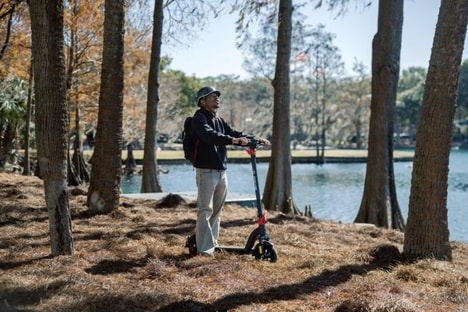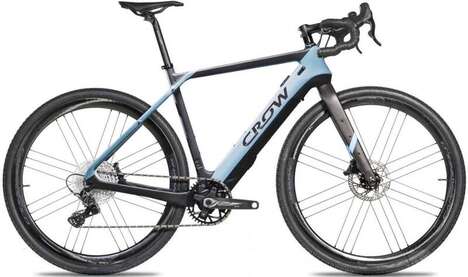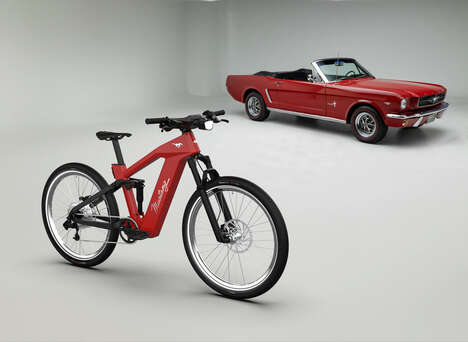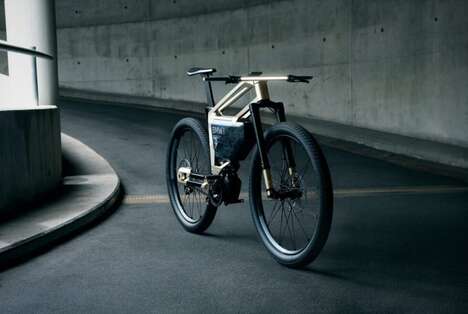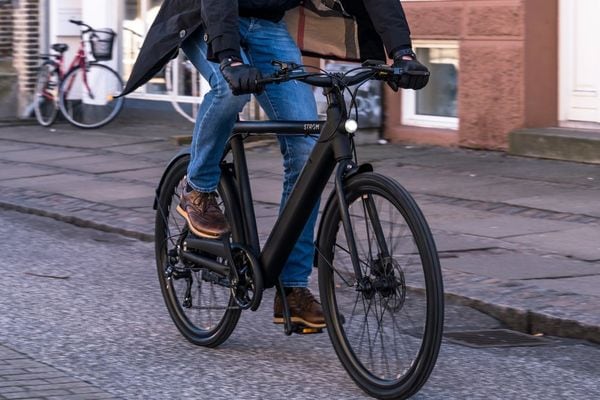


General Motors unveiled two brand new commuter e-bike silhouette. Each model was designed with functionalities that will make ventures into urban traffic a dream -- from the completely foldable frame to the ultra-compact appearance. However, as GM prepared extensively for the launch of its newest products, the company tapped consumers for one key decision -- the names.
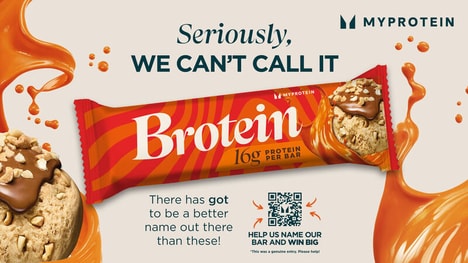
With a crowdsourcing campaign, General Motors engaged the public through a contest. The initiative did not only call attention to the launch of the commuter e-bikes but it also gave individuals an interactive opportunity, allowing them a certain degree of ownership of the product.
The top submission for naming the bikes received a generous $10,000 USD prize and nine runner-ups were given $1,000 USD each.
Key Themes Behind This Trend
- Crowdsourcing
- The use of crowdsourcing campaigns for decision-making in product development allows for increased engagement and ownership among consumers.
- Interactive Marketing
- Engaging the public through contests and interactive opportunities promotes brand awareness and consumer participation.
- Consumer Involvement
- Involving consumers in key decisions, such as naming products, fosters a sense of ownership and strengthens the relationship between the brand and its customers.
Where This Applies
- Automotive
- The automotive industry can leverage crowdsourcing and interactive marketing to involve consumers in decision-making processes, creating a stronger connection with their target audience.
- Marketing and Advertising
- The marketing and advertising industry can explore the use of crowdsourcing campaigns and interactive strategies to generate consumer engagement and increase brand awareness.
- Consumer Goods
- In the consumer goods industry, involving consumers in product naming decisions through crowdsourcing can create a sense of ownership and loyalty towards the brand.