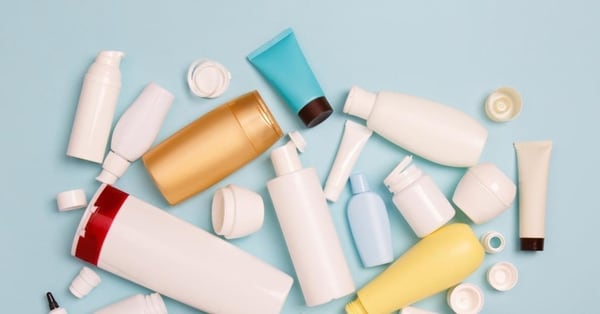

Prime Polymer and Newlight Technologies have developed a polypropylene textile blend that can be coloured using the same types of dyes commonly used for polyester. The material combines Prime Polymer’s compounding technology with Newlight’s Aircarbon PHB biomaterial, addressing one of the main challenges that has limited polypropylene’s use in coloured clothing and footwear.
The blend has already been made into yarn and fabric and tested with standard disperse dyes. This means textile mills can work with it using existing dyeing processes, rather than having to make major changes to their equipment or workflows.
Several global brands are now evaluating the material for footwear and performance apparel. Its combination of low weight, moisture management and greater colour flexibility could open up more uses for polypropylene in sportswear and other textile products.
Image Credit: NewLight
Key Themes Behind This Trend
- Dye-compatible Polypropylene
- Polypropylene textiles that accept standard disperse dyes create new potential for lightweight, colour-rich apparel without costly mill retooling.
- Bio-based Textile Blends
- Hybrid materials combining petrochemical polymers with biomaterials are expanding performance fabric options while supporting lower-impact product development.
- Performance Fabric Simplification
- Materials designed for existing dyeing infrastructure reduce adoption barriers for brands seeking faster commercialization of advanced sportswear textiles.
Where This Applies
- Textiles
- Mills gain access to polypropylene-based fabrics that fit conventional polyester dyeing workflows, enabling broader material experimentation with minimal operational disruption.
- Sportswear
- Lightweight, moisture-managing, colour-flexible fabrics present opportunities for differentiated apparel built around comfort, function and visual variety.
- Footwear
- Advanced dyed polypropylene yarns and fabrics could support breathable, lightweight shoe components that align with both performance and design demands.