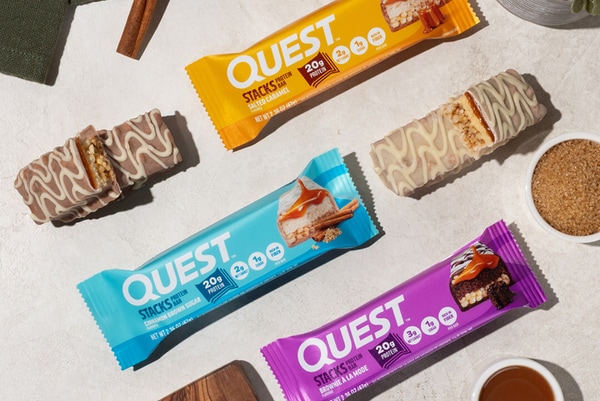

Last summer, David Protein made the bold and unexpected move of venturing beyond protein bars by introducing single-ingredient, boneless, skinless, frozen Wild-Caught Pacific Cod to its lineup, and now, Cod 2 is joining the fillets as a canned option for refueling on the go. This savory, portable protein snack shares cooked, wild-caught cod from the North Atlantic in a sleek gold can that matches the premium aesthetic used for the brand's protein bar wrappers.
The two-ingredient Cod 2 (Atlantic cod and salt) provides 18 grams of protein in a 3.1-ounce can, no carbohydrates, no fat, and just 70 calories. Humble tinned fish has become one of food's most unlikely it-items, with brands reframing it as a minimal-ingredient protein source for a generation hungry for both convenience and transparency in what they eat.
What Makes This Trend Stand Out
- Premium Tinned Protein
- The repositioning of humble tinned fish into a premium, design-forward protein snack signals potential for upscale canned offerings to disrupt ready-to-eat protein markets.
- Minimal-ingredient Convenience Foods
- A growing consumer preference for single-ingredient or two-ingredient options is creating space for ultra-simple, transparent products to reshape convenience food portfolios.
- Wild-caught Single-ingredient Products
- Interest in wild-caught, single-ingredient proteins is elevating provenance-led sourcing stories that could redefine consumer expectations around ingredient authenticity.
Sectors Adopting This
- Canned Seafood
- Canned seafood is evolving from budget pantry staple to premium on-the-go protein, offering opportunities to disrupt retail assortments with higher-margin, design-centric SKUs.
- Ready-to-eat Protein Snacks
- The emergence of cooked, shelf-stable whole-protein cans points to a shift in the snack category toward nutritionally dense, portable alternatives to bars and jerky.
- Direct-to-consumer Food Brands
- Brands specializing in direct-to-consumer channels are increasingly positioned to introduce niche, minimally processed protein products that challenge traditional grocery distribution models.