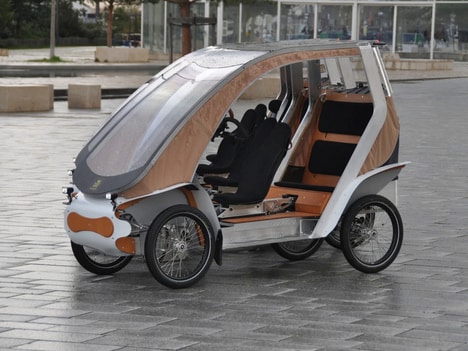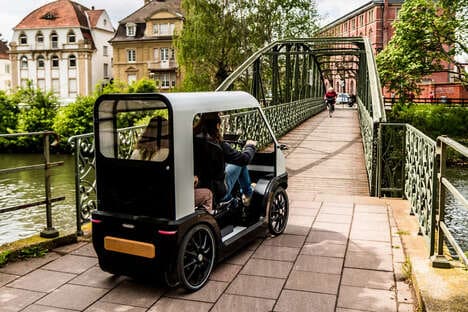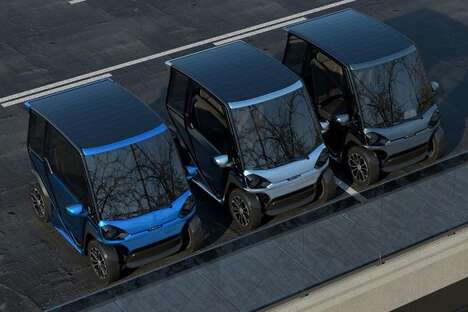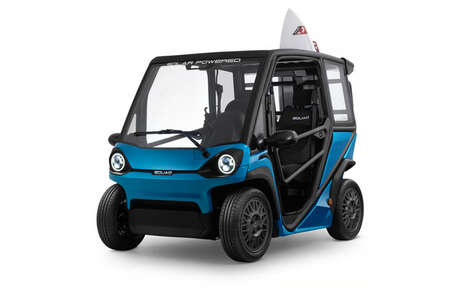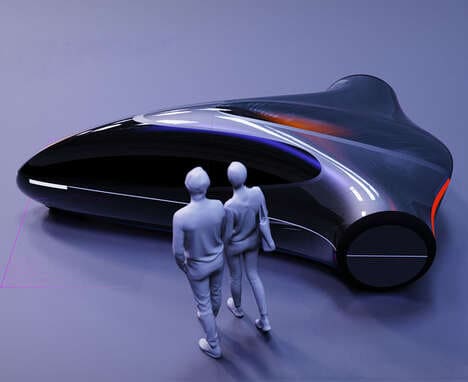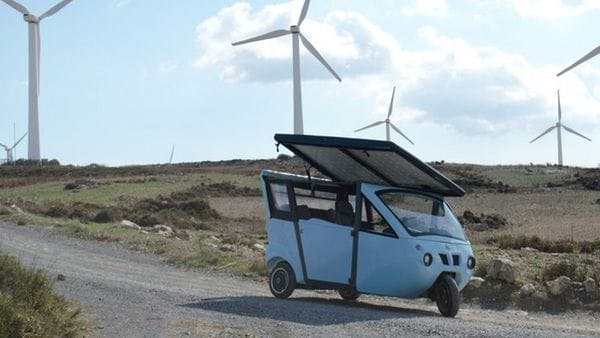


MIT is on a mission to change the face of urban transport with a hybrid vehicle called the 'CityCar.' In recent years, many city dwellers have turned to bicycles and other forms of eco-friendly transportation as an alternative to driving. This unique vehicle offers the flexibility of a bicycle, while also providing the comforts of a conventional car.
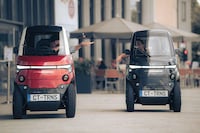
The CityCar was designed for MIT’s Mobility-On-Demand project, which examines different ways of replacing cars in dense urban environments. The CityCar is an example of a Persuasive Electric Vehicle, which means that it is a cross between a bicycle and an electric car. The vehicle consists of an electric trike that is covered by a durable canopy. To complement city driving, the vehicle features rear-wheels that can spin on the spot and the unique ability to switch from a low-down driving position to an upright parking position.
With its compact design and flexible features, this hybrid vehicle offers a viable alternative to conventional transport.
Why This Trend Is Growing
- Compact Urban Mobility
- The CityCar bridges the gap between electric cars and bicycles, offering a compact and flexible solution for urban transport.
- Persuasive Electric Vehicles
- The CityCar exemplifies the concept of Persuasive Electric Vehicles, combining the benefits of bicycles and electric cars.
- Mobility-on-demand
- The CityCar is part of MIT's Mobility-On-Demand project, exploring alternative ways to replace cars in dense urban environments.
Industries Being Reshaped
- Automotive
- The automotive industry can explore the market potential for compact hybrid vehicles like the CityCar.
- Green Transportation
- The Green Transportation industry can leverage technologies used in the CityCar to develop more sustainable and eco-friendly modes of transport.
- Urban Planning
- Urban planning professionals can consider the impact of compact and flexible vehicles like the CityCar on urban environments and infrastructure.