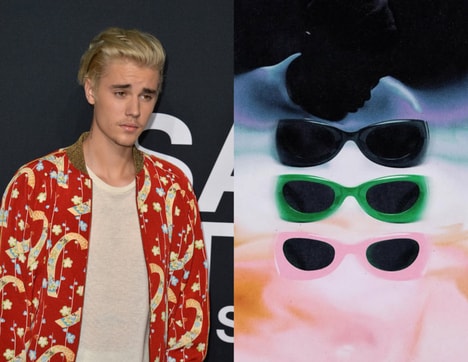
Singer Chris Brown has yet to understand the fundamentals of style and the Tumblr blog 'Chris Brown Can't Dress' has no problem pointing it out to him.
With a slogan of "Breezy Ain't Steezy," the website manages to make the viewer realize just how poorly this guy can dress. Though he has a steady cash flow and designer pieces, he is called out for his hideous combinations on this blog. From a pair of jean pants that looks to have an outline of a red fox running on the crotch to tucking in his pants to his kicks, the Chris Brown Can't Dress site is clearly a cry for the star to hire a stylist.
The site is perfect for those who are not fans of the star to have a few laughs at the terrible dresser's expense.
What's Driving This Trend
- Celebrity Fashion Critique
- Blogs and websites dedicated to critiquing celebrity fashion choices have the potential to disrupt traditional fashion media and open up new opportunities for independent fashion critics.
- Humorous Fashion Commentary
- Humorous blogs like 'Chris Brown Can't Dress' provide a unique and entertaining way for consumers to engage with fashion and have the potential to disrupt traditional fashion blogging.
- Alternative Critiques of Fashion
- Blogs and websites that critique fashion from an alternative perspective, such as 'Chris Brown Can't Dress' with a focus on celebrity fashion, could disrupt the dominant, Eurocentric fashion industry and provide a platform for underrepresented voices.
Who This Affects Most
- Fashion Blogging
- Humorous fashion commentary blogs like 'Chris Brown Can't Dress' have the potential to disrupt the traditional fashion blogging industry by engaging consumers in a more relatable and entertaining way.
- Fashion Media
- Websites and social media pages that critique celebrity fashion like 'Chris Brown Can't Dress' have the potential to disrupt traditional fashion media and provide new opportunities for independent fashion critics.
- Alternative Fashion
- Blogs and websites like 'Chris Brown Can't Dress' that critique fashion from an alternative perspective have the potential to disrupt the traditional, eurocentric fashion industry and provide a platform for underrepresented voices in fashion design and criticism.