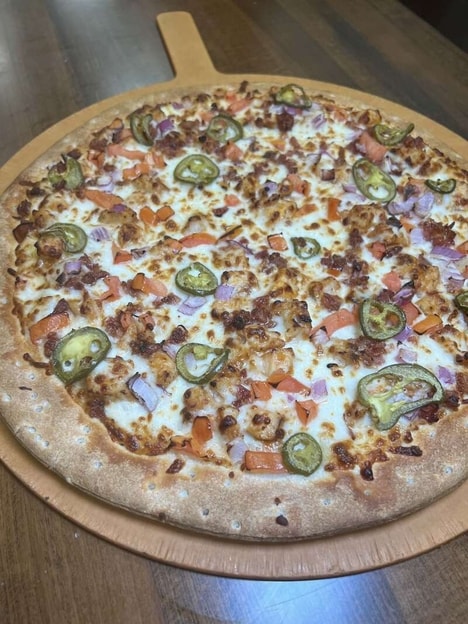
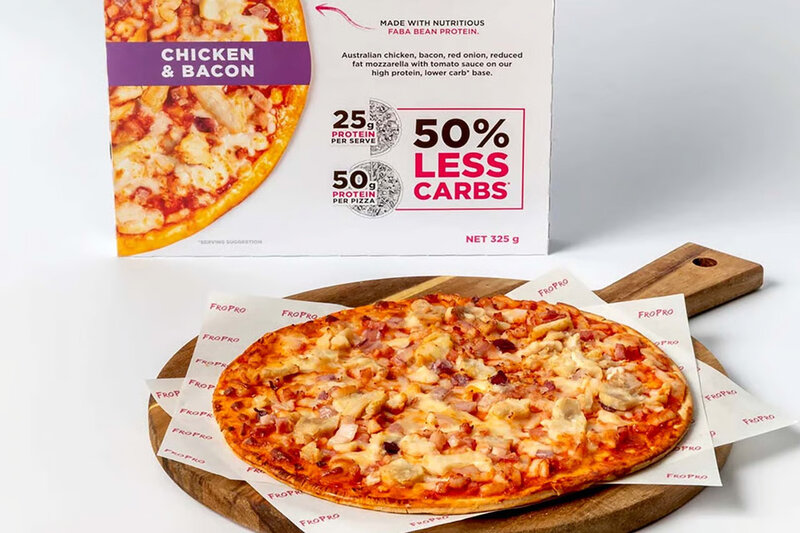
The FroPro Chicken & Bacon Protein Pizza is the latest creation from the Australia-based brand that tackles taste, texture and nutrition for a balanced at-home dining experience.
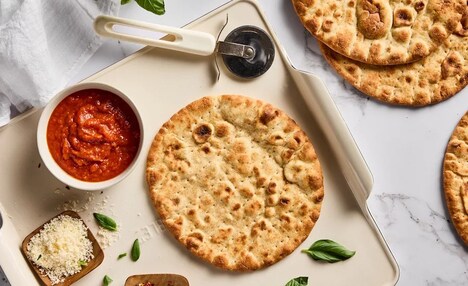
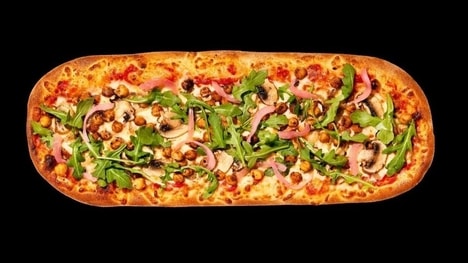
The pizza starts off with the brand's dough base that's crafted with faba bean protein, which works to reduce the carbohydrates and deliver a boost of plant-based protein. The pizza is then topped with tomato sauce, Australian chicken, red onion, wood-smoked bacon and a reduced-fat mozzarella. The final product comes in with 25-grams of protein per half-pizza serving, 330-calories and eight-grams of fat. This allows the entire pizza to be consumed to support athletes who are looking to bulk up to allow for a customizable meal experience.
The FroPro Chicken & Bacon Protein Pizza is available for purchase at Woolworths and Coles for $12.95 AUD.
What's Driving This Trend
- Protein-enhanced Comfort Foods
- Classic indulgent meals are being reformulated with higher protein and balanced macros, creating opportunities for brands to merge fitness nutrition with familiar frozen and ready-made formats.
- Plant-protein Dough Bases
- Faba bean and other plant-derived proteins are reshaping carbohydrate-heavy staples, opening space for ingredient innovation that improves nutrition without abandoning mainstream taste expectations.
- Macro-balanced Frozen Meals
- Calorie-conscious, high-protein frozen products are shifting convenience dining toward performance-oriented eating, with room for premium products that serve athletes and everyday health-focused consumers.
Who This Affects Most
- Frozen Foods
- Nutritionally upgraded pizzas and meals are expanding the role of frozen aisles beyond convenience, creating new premium segments built around functional benefits and portion flexibility.
- Sports Nutrition
- Prepared meals with measurable protein, fat and calorie profiles are broadening sports nutrition from powders and bars into full meal solutions for training, recovery and bulking.
- Alternative Proteins
- Ingredient systems using faba bean protein demonstrate how alternative proteins can move into everyday categories, supporting cleaner-label reformulations that balance texture, taste and nutritional performance.