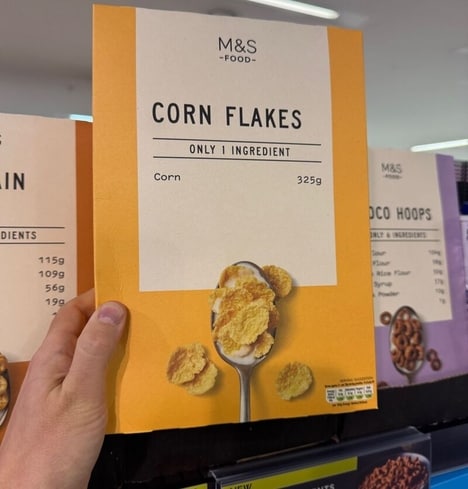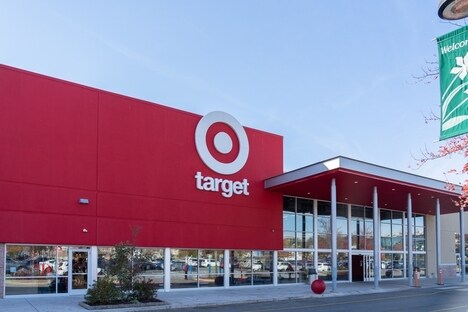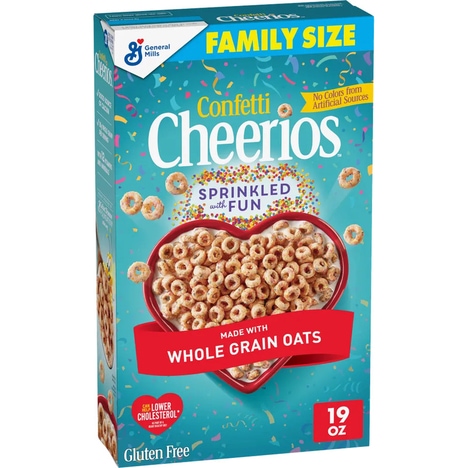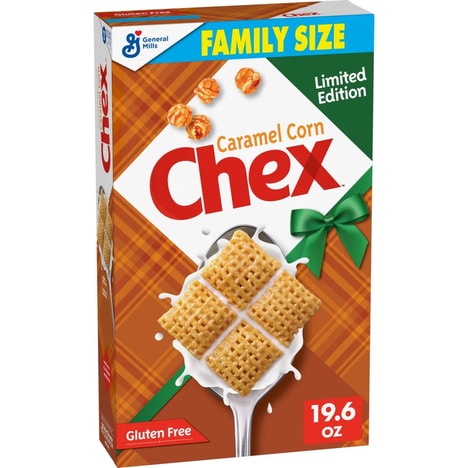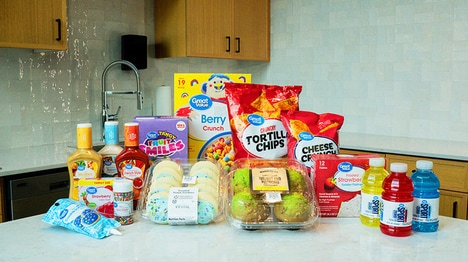

The Target cereal assortment is receiving a big overhaul this spring that will see the retailer exclusively stocking options that are crafted without certified synthetic colors. The move by the retailer is positioned as one of the first and largest in the US market, and comes as part of a larger strategy to shift products towards consumer preferences for options that are in line with their nutritional, health and wellness goals. The retail update comes on the heels of insights and long-term sales data that has shown a marked shift towards children's foods with no artificial additives.
Executive Vice President and Chief Merchandising Officer Cara Sylvester spoke on the Target cereal assortment saying, "We know consumers are increasingly prioritising healthier lifestyles, and we’re moving quickly to evolve our offerings to meet their needs. Our new cereal assortment made without certified synthetic colors makes it easier for busy families to make choices they feel good about, and shows what it means to curate a great assortment and lead with merchandising authority."
Why This Trend Is Growing
- Clean-label Kid Foods
- Growing parental demand for transparently formulated children’s products creates room for novel ingredient systems that mimic traditional sensory cues without artificial additives.
- Retail Assortment Curations
- Retailers consolidating assortments around health-forward attributes are reshaping shelf competition and opening space for curated private-label propositions that differentiate on trust and transparency.
- Synthetic-color Alternatives
- Advances in natural and microencapsulated color technologies are enabling products to match vibrant visual appeal previously achieved only with certified synthetic dyes.
Industries Being Reshaped
- Food Manufacturing
- Cereal and snack manufacturers face pressure to reformulate recipes, presenting opportunities to architect ingredient platforms that balance cost, stability, and clean-label claims.
- Retail Merchandising
- Merchandising teams are increasingly influential in signaling product legitimacy, creating potential for assortment strategies and data-driven planograms that prioritize health-focused credentials.
- Packaging and Labeling
- Label design and on-pack communication are becoming competitive levers as consumers rely on visible cues to assess additive-free claims, stimulating demand for clearer certification and traceability features.