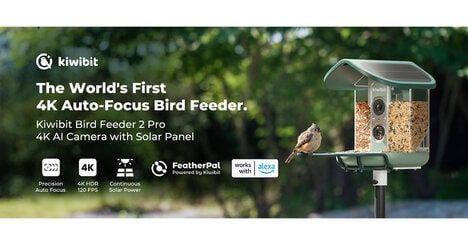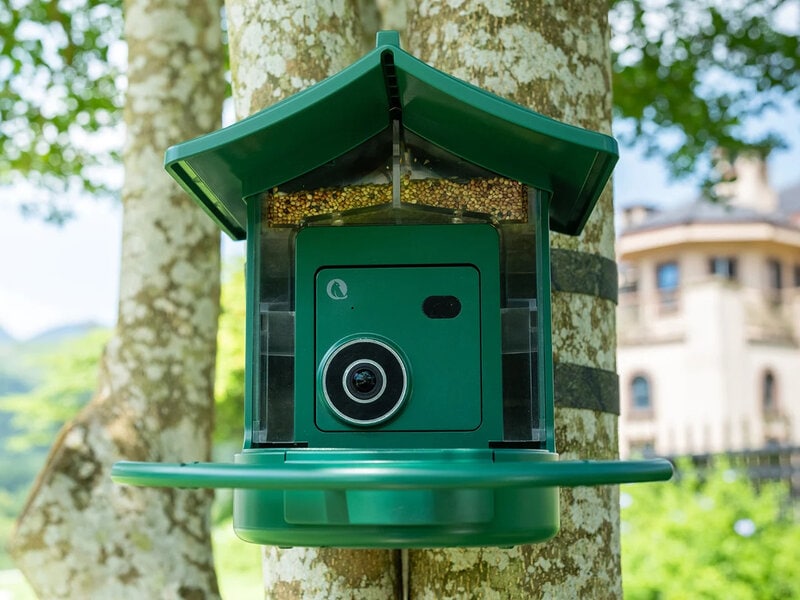
BirdVue built the 'FEED 1' for birders whose viewing spots are beyond Wi-Fi, using 4G LTE and a built-in eSIM to place a feeder where cellular service reaches. That shift lets rural property owners and nature photographers watch activity away from the house. At the same time, millimeter-wave radar starts recording as a bird flies in, not after it settles.
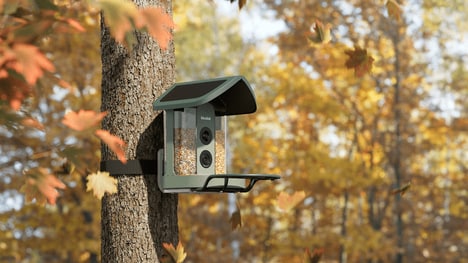
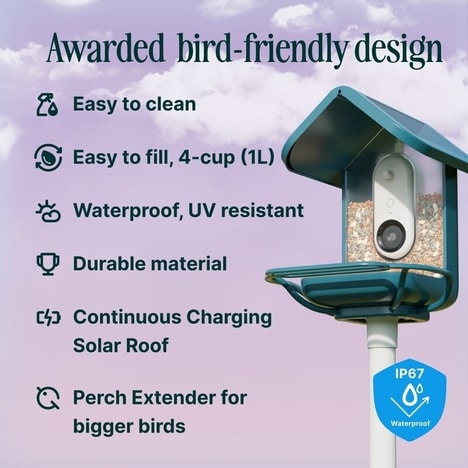
With its birdhouse-shaped shell and green finish, the unit blends into a garden instead of looking like a security camera. Its app tracks food levels and lets owners release seed remotely, so they don’t have to walk out to the feeder to see if it needs attention.
At $179, discounted from $299, the feeder widens the smart-feeder audience beyond backyard users tied to a router. Global shipping in November 2026 strengthens the cellular placement claim, because buyers can choose bird activity first and network coverage second.
Image Credit: Yanko Design - Modern Industrial Design News
Key Themes Behind This Trend
- Cellular Wildlife Monitoring
- LTE-enabled nature devices expand remote observation beyond home Wi-Fi zones, creating new value in rural, off-grid, and field-based wildlife experiences.
- Trigger-based Animal Sensing
- Radar-activated recording reduces missed moments by capturing animal arrivals earlier, improving accuracy for consumer nature tech and ecological documentation.
- Discreet Garden Tech
- Camouflaged smart devices that blend into outdoor environments support broader adoption by balancing connected functionality with natural aesthetics.
Where This Applies
- Smart Home
- Connected outdoor products are moving past router-dependent spaces, opening smart-home ecosystems to larger properties and detached environments.
- Outdoor Recreation
- Remote viewing tools enhance birding, photography, and nature watching with always-connected access to hard-to-reach habitats.
- Consumer Electronics
- Embedded eSIM connectivity and automated sensing create differentiated device categories for hobbyists seeking specialized, location-flexible hardware.