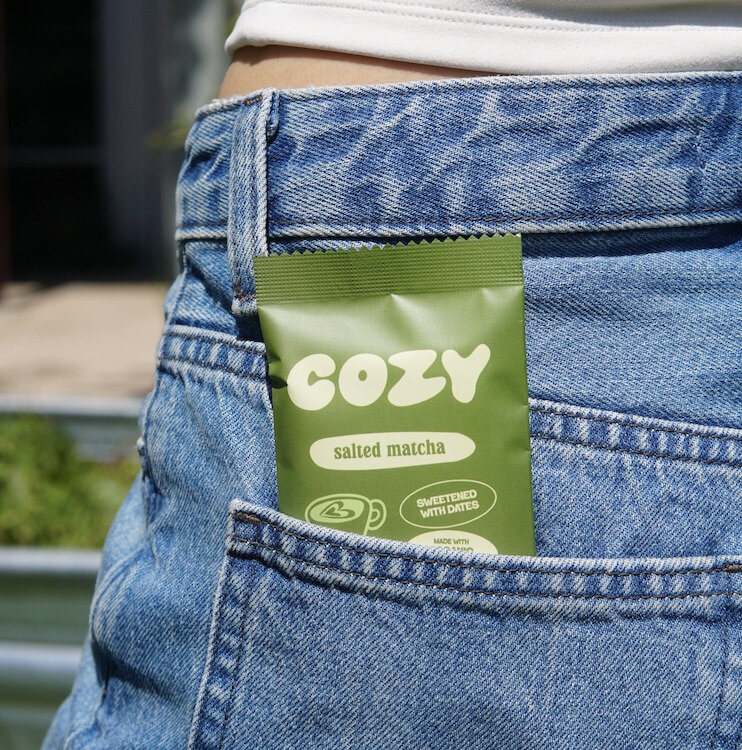
Snack bars are undeniably convenient, but countless options on the market are packed with questionable ingredients like added sugars, artificial additives and long lists of preservatives that undercut their health-forward image—but not Cozy's Butterbars, made with just eight real, recognizable ingredients, including grass-fed butter. These snack bars satisfy a sweet tooth with all-organic ingredients like nature's candy (dates,) rolled oats, coconut, raw honey, aromatic vanilla bean, and a pinch of mineral-rich Celtic sea salt.
While Cozy's Salted Matcha Butterbar shares the earthy, smooth, gentle lift of green tea, Warm Cinnamon Butterbar is said to taste like a soft cinnamon roll, and appeals to fans of the viral snack that combines Medjool dates with real butter and a pinch of flaky sea salt for a cookie-dough-like flavor.
Key Themes Behind This Trend
- Clean-label Indulgence
- Premium snack formats are blending dessert-like flavors with short, recognizable ingredient lists, creating space for brands to compete on trust, simplicity, and sensory satisfaction.
- Functional Fat Snacking
- Grass-fed butter and other nutrient-dense fats are reframing snack bars as satiating, wellness-aligned treats for consumers moving beyond low-fat positioning.
- Viral Snack Formalization
- Social media flavor hacks are being translated into packaged products, giving emerging brands a faster path from online food culture to retail-ready innovation.
Where This Applies
- Better-for-you Snacks
- The category is shifting toward indulgent products with organic, minimally processed ingredients that meet both convenience needs and clean-eating expectations.
- Dairy-based Foods
- Grass-fed butter is gaining relevance as a premium ingredient in unexpected formats, expanding dairy’s role beyond spreads and baking into portable nutrition.
- Natural Grocery Retail
- Retailers have an opportunity to differentiate shelves with compact, ingredient-transparent snacks that align with consumer demand for organic treats and functional indulgence.