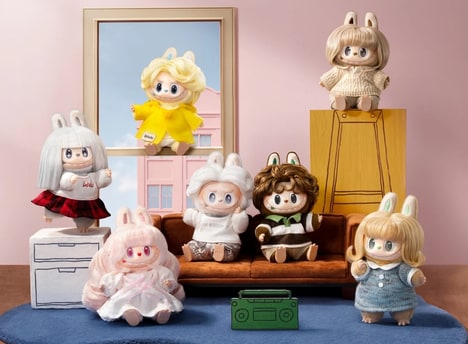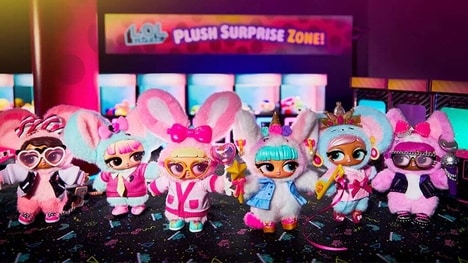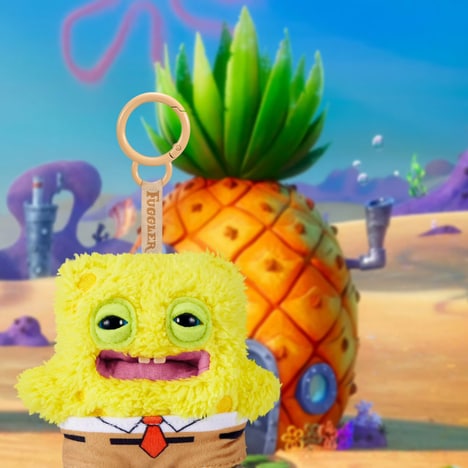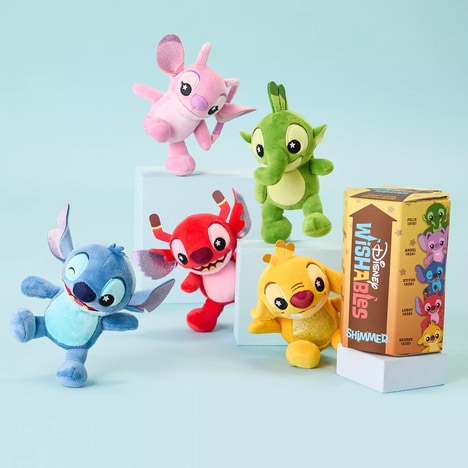
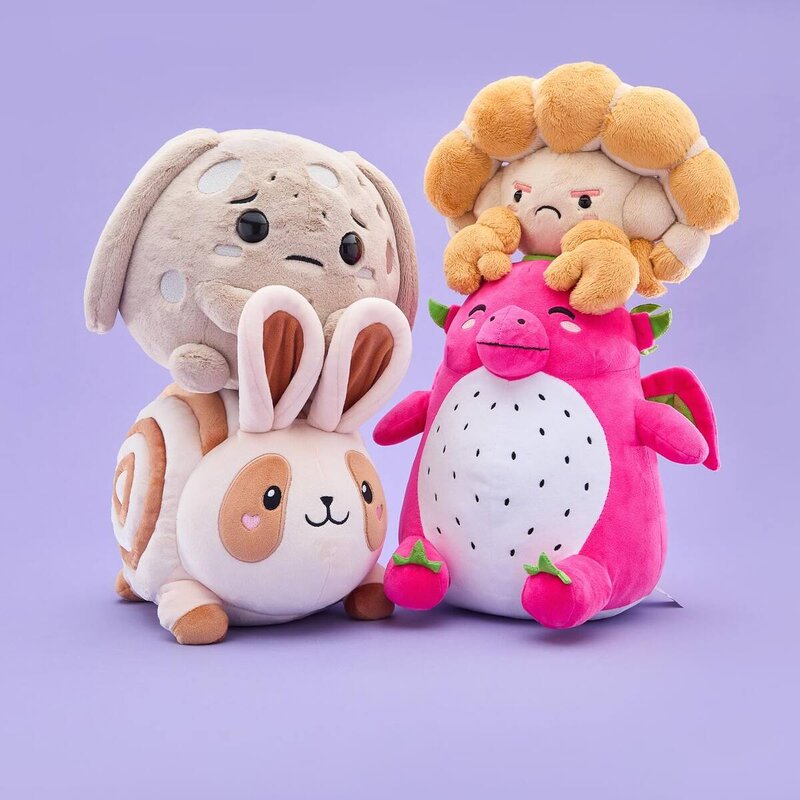
Most plush toys sport the same beady eyes and upturned mouth, but But Cute characters have faces that express real, relatable emotions, offering comfort that mirrors how people actually feel. But Cute's range of "oddly relatable characters" is a tangible reminder that whatever you're feeling is valid, and you're not alone in feeling it, whether it's anxiety, awkwardness or grumpiness.
Dulce, a cinnamon roll bunny, is a quirky character who represents sweet chaos and sideways paths, while chunky Peeko, a dragon that shares visual similarities to dragonfruit, is unapologetic about slowing down and taking up space. Just 500 Mellies—the sensitive marshmallow bunny—were made, and this limited-edition character is a deep feeler with traits that many kids, tweens, teens and adults will recognize in themselves.
What's Driving This Trend
- Emotional Validation Toys
- Plush characters with anxious, sensitive or awkward expressions create room for toy brands to differentiate through comfort products that reflect real emotional states.
- Relatable Character Design
- Imperfect personalities and unconventional facial cues expand collectible design beyond cuteness into identity-based storytelling for kids, teens and adults.
- Limited-edition Comfort Collectibles
- Scarcity-driven plush releases tied to specific feelings can merge fandom, self-expression and mental wellness into highly personal consumer goods.
Who This Affects Most
- Toy and Game
- Emotion-forward plushes signal new potential for character merchandise that supports emotional literacy while appealing across age groups.
- Mental Wellness
- Tangible products that normalize anxiety and sensitivity introduce accessible, non-clinical touchpoints for everyday emotional support.
- Collectibles
- Small-batch character drops with distinct emotional identities strengthen opportunities for community building, resale value and niche fandom engagement.