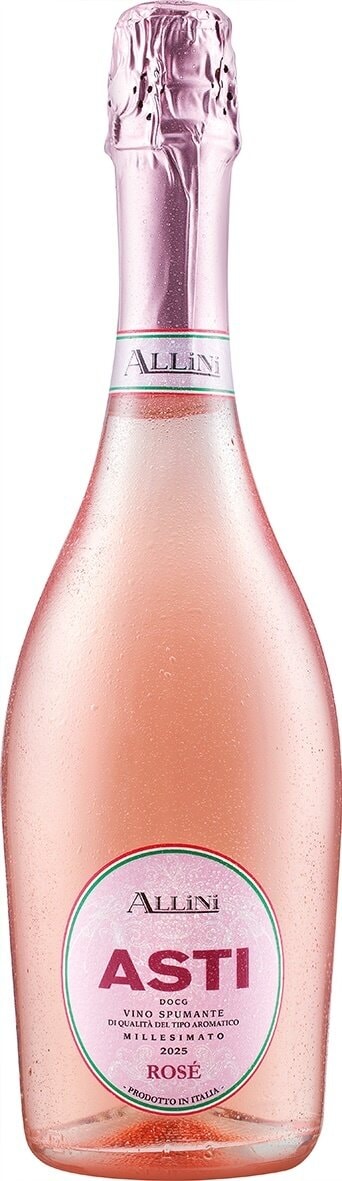

Aldi is selling Peaks & Tides Pinot Noir as a low-cost red wine option, with each bottle priced at $12.99. The Sonoma County wine gives dinner-party shoppers a way to bring a California pinot noir without paying the usual premium for the category.
The bottle comes from California's Sonoma County and carries 13.9% ABV, so it sits in the familiar range for a table red. Its smooth, medium-bodied profile makes it easy to pair with roast meats, cheese, or richer dishes without overpowering them.
At $12.99, the bottle widens the gap between everyday grocery wine and the bottles many buyers expect to save for better occasions. Sonoma County sourcing also gives Aldi a stronger shelf story, since regional origin still matters in a value-driven aisle.
Image Credit: Rostislav_sedlacek / Getty Images
Why This Trend Is Growing
- Affordable Premiumization
- Value-priced bottles with recognized regional credentials reveal space for retailers to make premium wine cues accessible to cost-conscious shoppers.
- Grocery Wine Discovery
- Supermarket shelves are becoming low-risk discovery channels where consumers can experiment with varietals and regions without specialty-store pricing.
- Occasion-based Value Wine
- Dinner-party ready wines at everyday prices blur the line between casual grocery purchases and products reserved for hosting or special meals.
Industries Being Reshaped
- Wine and Spirits
- Lower-cost regional wines create pressure for established producers to rethink pricing, packaging, and distribution models around accessible quality.
- Grocery Retail
- Private-label and exclusive wine offerings can strengthen retailer differentiation by pairing affordability with credible provenance in routine shopping trips.
- Food Pairing Services
- Meal planning platforms and recipe brands gain new relevance when budget-friendly wines are positioned as easy companions for richer home-cooked dishes.