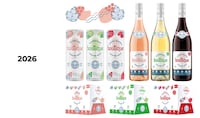
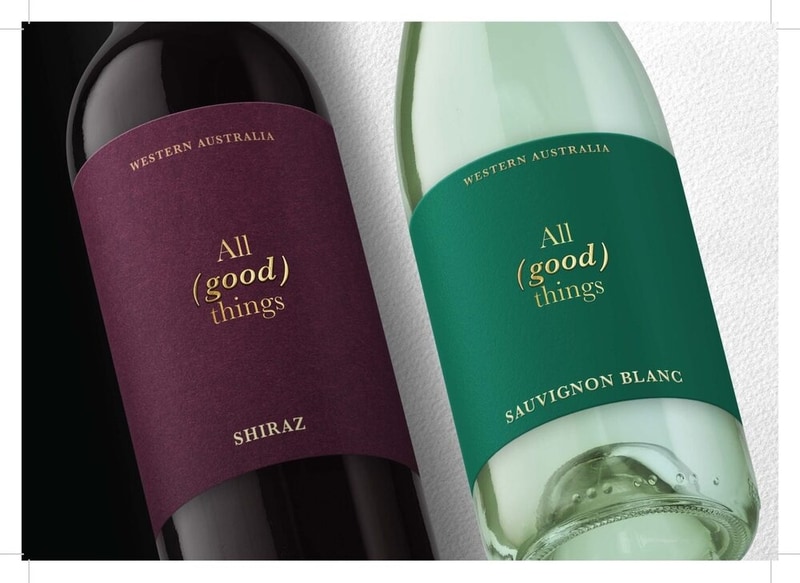
Affordable premium wines are reshaping the mid-tier wine market, as seen with Benchmark Drinks’ new brand All (Good) Things, which focuses on delivering higher-quality wines at accessible price points. By sourcing from renowned cool-climate regions, the brand addresses a gap where consumers are often forced to choose between affordability and taste. Its emphasis on balance, freshness and drinkability moves away from overly sweet, mass-produced options and repositions everyday wine as a more refined yet approachable experience.
This strategy helps rebuild trust in a declining segment while attracting value-conscious consumers seeking better quality without premium pricing. Launching at scale across major retailers also boosts visibility and accessibility, supporting volume growth. For the wider industry, this reflects a shift toward stronger value propositions, where quality and affordability work together to drive demand and re-engage everyday wine drinkers.
Image Credit: All (Good) Things
Why This Trend Is Growing
- Affordable Premiumization
- A market shift opening pathways for mid-price wines to offer terroir-driven quality that undermines traditional premium segmentation.
- Cool-climate Sourcing
- A sourcing emphasis on cool-climate regions that allows value brands to differentiate on freshness and provenance typically associated with higher-priced labels.
- Mass-retail Premium Placement
- Widespread retailer launches that normalize premium-perceived products at scale, changing consumer expectations about where quality wines are purchased.
Industries Being Reshaped
- Wine and Spirits Retail
- Retailers gain the chance to drive volume growth by curating accessible premium ranges that reshape shelf hierarchies and shopper perceptions.
- Private Label Food and Beverage
- Private-label programs integrating higher-quality wine offerings could blur brand boundaries and intensify competition on value rather than heritage.
- Supply Chain and Logistics
- Scaling procurement from distinct cool-climate regions and distributing at mass-retail volumes presents opportunities for logistical efficiencies that lower cost-per-bottle.