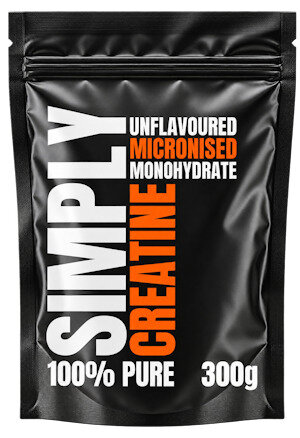
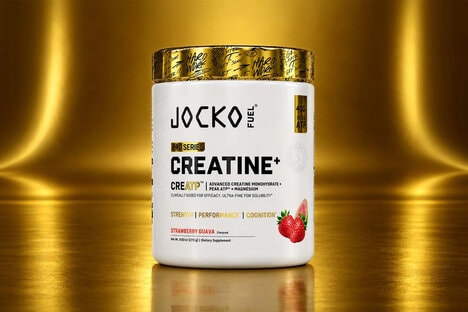
DNS is expanding its creatine lineup in Japan with 'Creatine Monohydrate,' a lower-cost alternative to its existing 'Creapure' product that still delivers 99.9% purity. The addition gives creatine users a more affordable way to stay with the brand if they do not need the German-made ingredient in the original.
Each pack holds 300g. At a standard 5g intake, that works out to 60 servings, so regular users can gauge roughly two months of supply from one purchase. DNS is selling it in a tub or a pouch, so buyers can pick the package style that fits how they store basics.
At ¥42 a day in Japan, the product undercuts DNS's Creapure option by making plain creatine a clearer tradeoff between ingredient sourcing and daily cost. Launching this week in the brand's home market widens access for fans who want purity without paying for the premium version.
Image Credit: Stack3d
Why This Trend Is Growing
- Budget Performance Supplements
- Affordable high-purity formulations are reshaping sports nutrition by widening access to trusted daily-use products without relying on premium ingredient provenance.
- Ingredient Source Tiering
- Brands are creating clearer value ladders by separating functional purity from branded sourcing, giving consumers more transparent reasons to trade up or down.
- Flexible Supplement Packaging
- Multiple pack formats such as tubs and pouches reflect demand for storage-friendly, routine-based nutrition products that fit varied household and gym-use habits.
Industries Being Reshaped
- Sports Nutrition
- Lower-cost staples with credible purity claims are expanding the addressable market for performance products among mainstream fitness consumers.
- Consumer Health Goods
- Value-focused product extensions are allowing established wellness brands to retain price-sensitive shoppers while preserving premium lines.
- Functional Ingredients
- The shift toward non-premium yet high-spec ingredients is pressuring suppliers to differentiate beyond origin stories and branded certifications.