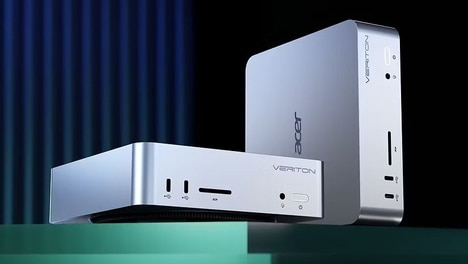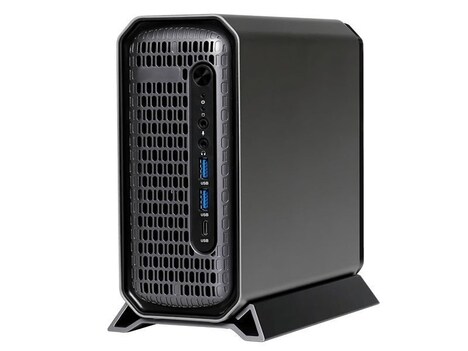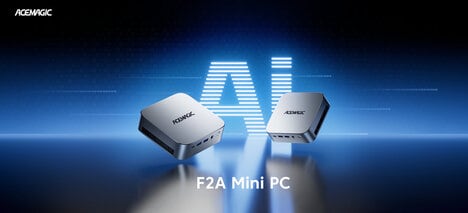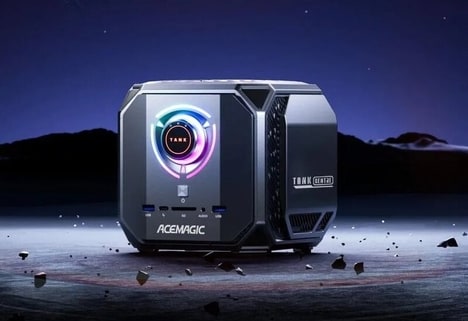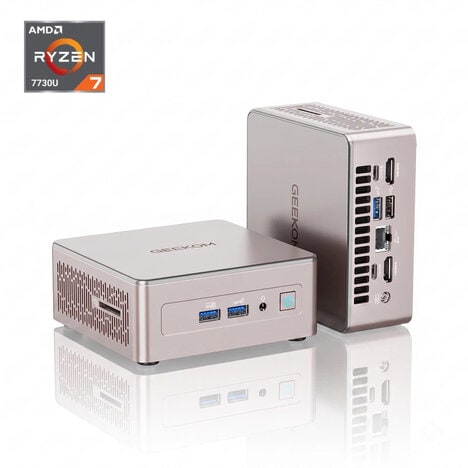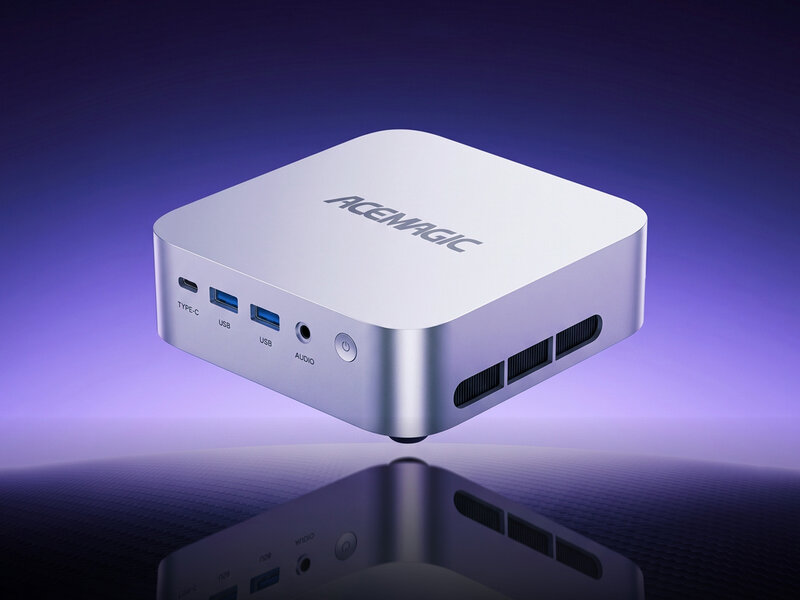
Acemagic is broadening its 'W1' range in China with the 'W1-5400U,' a compact desktop built for office work, light productivity, and media playback. It uses AMD's Ryzen 3 5400U, an older budget chip that still handles basic daily tasks and some light gaming.
Its 0.68-liter chassis keeps the machine easy to place, and each storage bay supports up to 8TB of SSD capacity. The front panel includes two USB-A ports and one USB-C port for easy access on a crowded desk.
The model is debuting in China, and the W1 line already exists outside that market, so this lower-cost version may have broader reach. An older chip in a very small case widens the market for offices and home setups that need a basic everyday PC without a larger tower.
Image Credit: Acemagic
Key Themes Behind This Trend
- Budget Mini Pcs
- Compact desktops built around older, affordable processors create room for low-cost computing products that serve offices, students, and home users without traditional tower footprints.
- Repurposed Chip Platforms
- Using previous-generation mobile CPUs in new desktop formats highlights a value-focused pathway for extending component lifecycles while meeting everyday productivity needs.
- Space-saving Workstations
- Small-form-factor PCs with accessible ports and high storage ceilings reflect growing demand for unobtrusive work setups in crowded desks, shared offices, and compact homes.
Where This Applies
- Personal Computing
- Affordable mini desktops broaden the competitive landscape by blending basic performance, compact design, and upgradeable storage for mainstream users.
- Office Technology
- Low-cost, small-footprint PCs fit procurement needs for businesses seeking functional workstations that reduce desk clutter and hardware spending.
- Consumer Electronics
- Value-oriented compact computers expand product opportunities for households that prioritize media playback, light gaming, and everyday digital tasks over premium specifications.