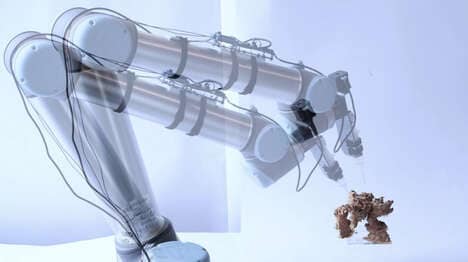
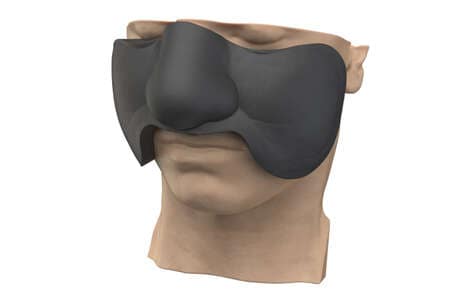
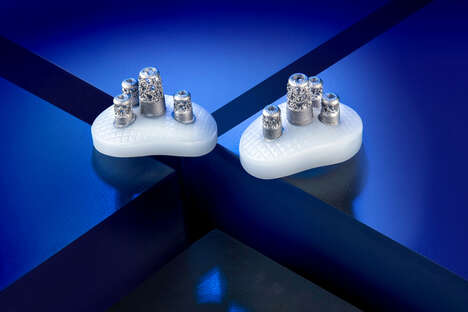
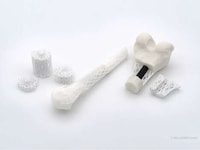
This charity uses 3D printing technology for bone reconstruction in landmine victims. Based in the United Kingdom, philanthropic organization Find a Better Way teamed up with the University of Glasgow to grow bone replacements in a lab for reconstructive surgeries. Consisting of both lab-grown bone and 3D printed scaffolding, personalized bone and tissue can be reproduced in only 3 or 4 days.
Coated in stem cells and growth factor, the 3D printed bone scaffolds can be put into a body when it has grown adequately big. The scaffolding will eventually disintegrate and a new piece of bone will grow in its place. This allows surgeons to shape the bone reconstruction specifically to the patient's needs.
Key Themes Behind This Trend
- 3D Printing for Bone Reconstruction
- Advancements in 3D printing technology allow for the creation of personalized bone replacements, opening up new possibilities in reconstructive surgeries.
- Lab-grown Bone
- The use of lab-grown bone in conjunction with 3D printed scaffolding enables the efficient and rapid production of bone replacements, reducing the waiting time for patients.
- Stem Cell Coating
- Coating the 3D printed bone scaffolds with stem cells and growth factor promotes faster and more precise bone growth, enhancing the effectiveness of the reconstruction process.
Where This Applies
- Medical Devices
- The medical devices industry can explore the development of 3D printed bone replacements as a disruptive innovation that improves patient outcomes and reduces surgical waiting times.
- Biotechnology
- The biotechnology industry can leverage advancements in lab-grown bone and stem cell coating to create innovative solutions for regenerative medicine and tissue engineering applications.
- Philanthropy
- Philanthropic organizations and charities can use 3D printing technology for bone reconstruction as a game-changing approach to assist landmine victims and individuals in need of personalized bone replacements.