
Pendulum Therapeutics has expanded its clinical research collaboration with Mayo Clinic, one of the most respected medical institutions in the world, to investigate microbiome-based interventions for bone health in breast cancer patients, the gut-skin axis, and improving the menopause transition. This announcement builds on a relationship that began in 2013.
As part of the inquiry into bone health, gut-skin axis, and menopause transition, the research collaboration relies on Pendulum's portfolio of microbiome-targeted products along with its expertise in strain isolation, anaerobic manufacturing, DNA sequencing, and clinical validation. Mayo Clinic investigators will evaluate these new clinical studies.
Pendulum already has a track record of rigorous clinical research, having developed Glucose Control, the first probiotic clinically shown to reduce A1C in people with type 2 diabetes.
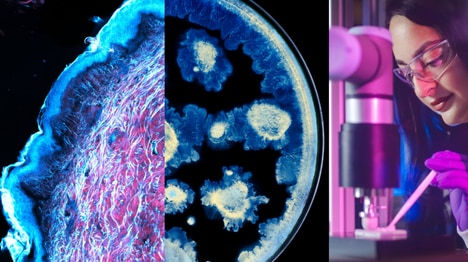
Image Credit: Pendulum Therapeutics
Key Themes Behind This Trend
- Microbiome-driven Therapeutics
- Emerging designer probiotic formulations and strain-specific biologics that modulate host physiology present opportunities to redefine treatment paradigms across chronic conditions.
- Biotech-medical Center Collaborations
- Expanded partnerships between specialty startups and leading hospitals enable integrated clinical validation pathways that can accelerate translational research and regulatory acceptance.
- Women-centric Microbiome Interventions
- Targeted microbiome approaches addressing menopause and breast-cancer–related bone health introduce potential for new therapeutic categories tailored to female life-stage physiology.
Where This Applies
- Pharmaceuticals
- Novel live-biotherapeutic products and strain-derived small molecules could disrupt traditional drug pipelines by introducing microbiome-native modalities with distinct regulatory profiles.
- Precision Nutrition
- Personalized, clinically validated probiotic and prebiotic regimens informed by sequencing data offer the potential to shift nutrition from general guidance to medically actionable interventions.
- Clinical Diagnostics
- Advanced microbiome sequencing and biomarker panels have the capacity to create new diagnostic classes that predict treatment response and monitor therapy efficacy in real time.