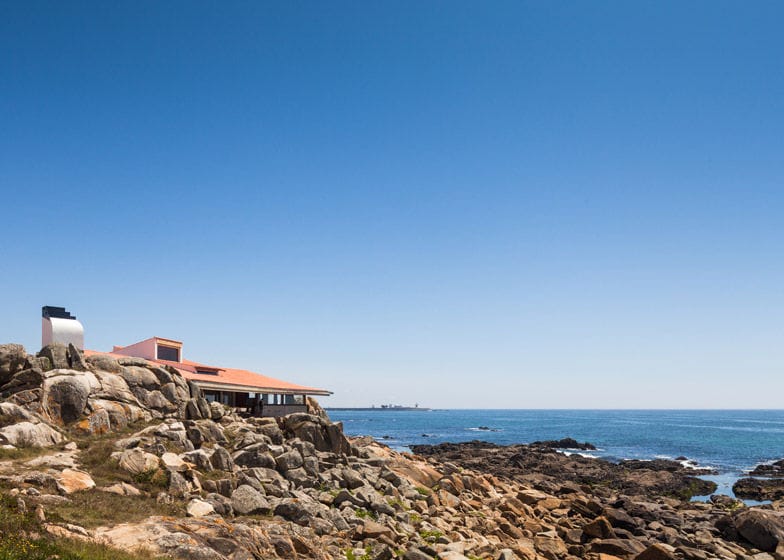
Portuguese architect Álvaro Siza renovated the 'Boa Nova House,' a project he first completed in 1963, into a restaurant for chef Rui Paula.
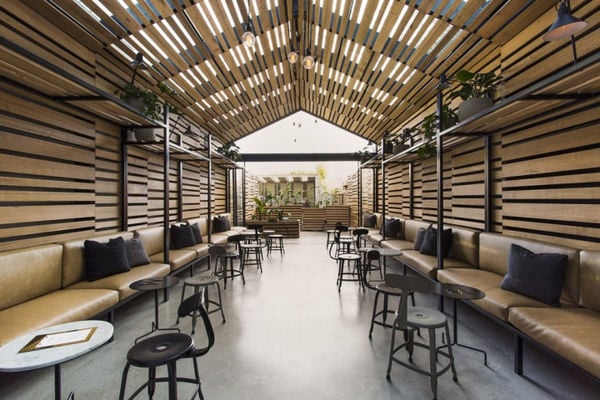
The building, which is nestled into the rocky terrain, has a spectacular seafront view. Inside, Siza divided the interior into two wings: a dining room that faces the coastline, and an informal waiting room and bar that looks towards the south. The interior maintains Siza's original architectural features, such as the comb-like ceiling and the concrete piers. New furniture was commissioned to complement Siza's original materials; for instance, leather chairs and red-toned Afizelia wood trolleys.
Upon entering the restaurant, visitors find themselves in a double-height atrium. At the building's rear, the kitchen, staff room and various storage areas are located, partially sunk in the ground.
What Makes This Trend Stand Out
- Seafront View Dining
- There is an opportunity for restaurants to offer dining experiences with stunning seafront views.
- Architectural Restoration
- There is a potential market for renovating historic buildings and turning them into unique restaurants.
- Original Materials and Complementing Furniture
- There is a trend towards preserving and highlighting original architectural features while incorporating new furniture that complements the design.
Sectors Adopting This
- Hospitality
- The hospitality industry can capitalize on the demand for restaurants with scenic views and unique dining experiences.
- Architecture and Design
- Architects and designers can explore opportunities in renovating and repurposing historic buildings into attractive restaurant spaces.
- Furniture and Interior Design
- Interior design professionals can create furniture that complements the original materials and architectural features of renovated buildings.