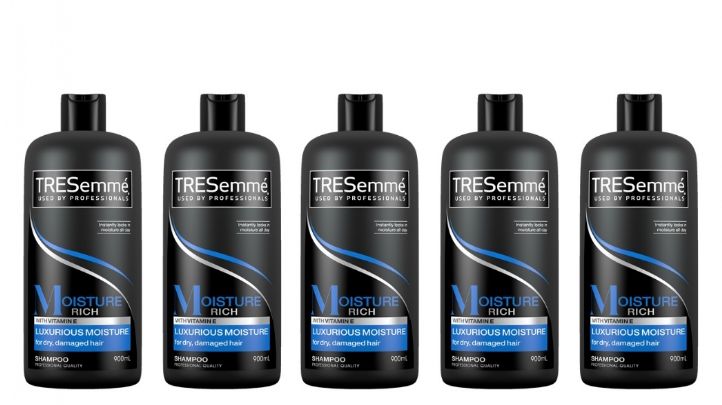
Consumer goods manufacturer Unilever is making black plastic packaging more sustainable with a new solution that makes the material detectible and recyclable. Currently, most black plastics feature high carbon content levels that prevent their detection by recycling sorting systems which run on infra-red technology.
Unilever addresses this environmental challenge with a new line of black plastic packaging, created for its TRESemme and Lynx brands and set to roll out by the end of the year. The project is the result of a collaboration with "RECOUP, WRAP and waste management giants Veolia, SUEZ, Viridor and TOMRA who joined forces to develop a plastics colouring solution with a lower carbon content."
The new colouring solution ensures visibility and detection, making environmentally harmful packaging more sustainable for large scale manufacturers.
Image Credit: Unilveer
Why This Trend Is Growing
- Sustainable Black Plastic Packaging
- There is a growing demand for black plastic packaging solutions that are recyclable and environmentally friendly.
- Collaborative Recycling Innovations
- Partnerships between consumer goods manufacturers and recycling industry leaders are driving innovative solutions for recycling challenges.
- Technological Advancements in Recycling Sorting Systems
- Advancements in sorting technology, such as improved detection capabilities, are making it possible to effectively recycle previously challenging materials.
Industries Being Reshaped
- Consumer Goods
- The consumer goods industry has a significant opportunity to adopt sustainable black plastic packaging solutions, improving their environmental footprint.
- Recycling and Waste Management
- The recycling and waste management industry can benefit from collaborations with consumer goods manufacturers to develop innovative recycling solutions.
- Packaging and Plastics
- The packaging and plastics industry can explore new technologies and materials to make traditionally non-recyclable packaging recyclable and environmentally friendly.