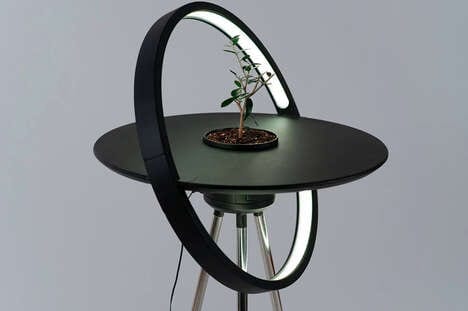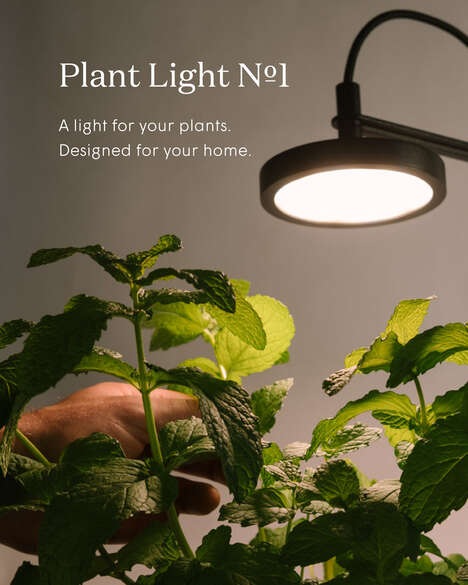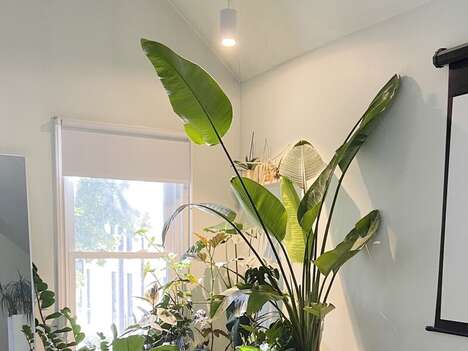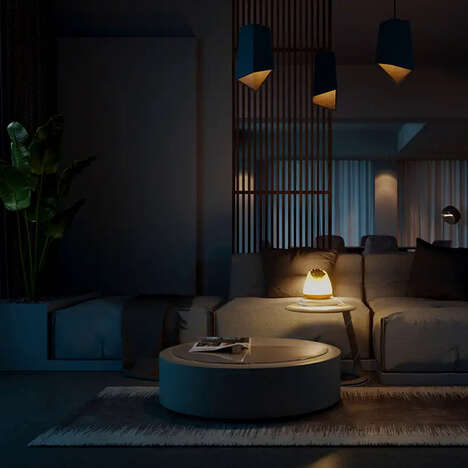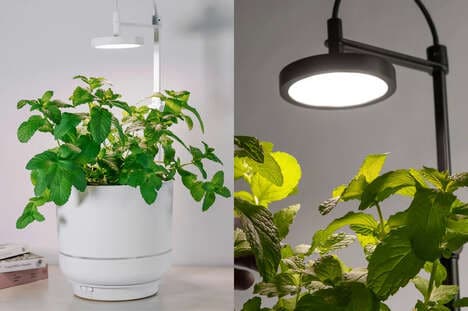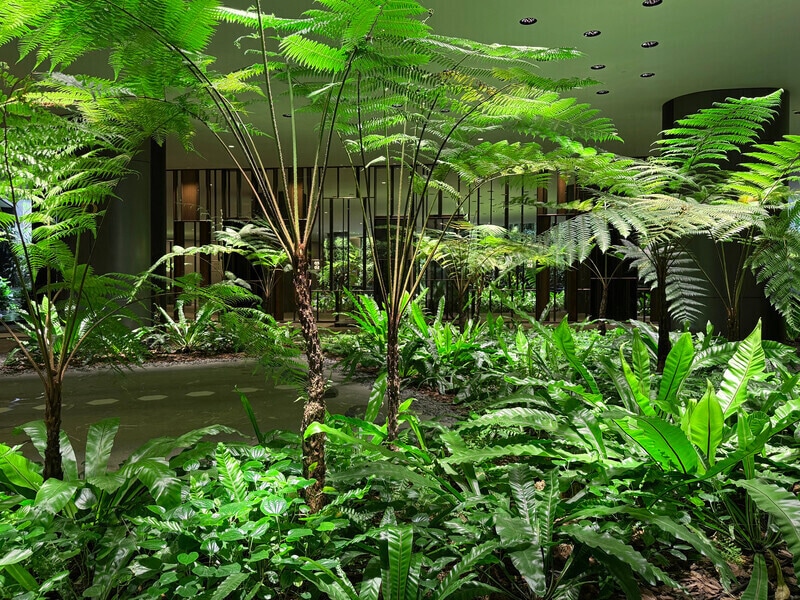
MAERICH, a specialist in LED technology, in partnership with the architectural firm WOHA, has introduced a new biophilic lighting innovation named the G-Spot Recessed Grow-Light Series. This system is engineered to facilitate the cultivation of multi-tiered plant life in environments that receive no natural light, such as underground or interior spaces.
The biophilic lighting innovation's technical specifications include specialized optics for directing light over a distance and a design focused on minimizing glare. Its light spectrum, which is formulated to appear as a natural white light to the human eye, is also a key differentiator as it sets the product apart from the pink or purple hues often associated with traditional grow lamps.
The G-Spot Recessed Grow-Light Series has received international recognition for its practicality. It was also recently awarded at the LIT Lighting Design Awards.
Image Credit: MAERICH
What's Driving This Trend
- Biophilic Lighting
- The integration of nature-inspired lighting systems in urban environments provides opportunities to enhance mental well-being in spaces lacking natural illumination.
- Advanced Grow-light Spectrums
- Developing grow-lights that mimic natural sunlight can revolutionize the indoor agriculture industry, offering more aesthetically pleasing and effective solutions than traditional systems.
- Interior Urban Agriculture
- Transforming unused indoor spaces into productive agricultural areas with innovative lighting technology can reduce the environmental impact of food production.
Who This Affects Most
- LED Technology
- Advancements in LED technology that support plant growth and human wellness open new avenues for lighting manufacturers to tap into both residential and commercial markets.
- Architectural Integration
- The collaboration between lighting and architectural firms can drive the creation of multifunctional spaces that prioritize both aesthetic and environmental considerations.
- Indoor Agriculture
- Enhancements in grow-light systems that accommodate plant life in traditionally inhospitable environments promise to elevate the potential of indoor farming solutions.