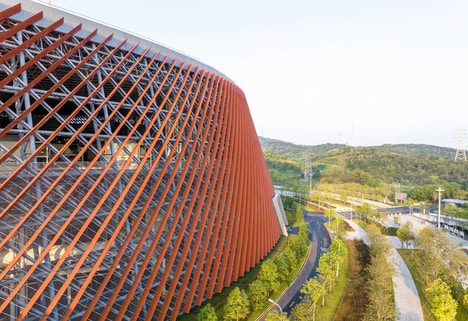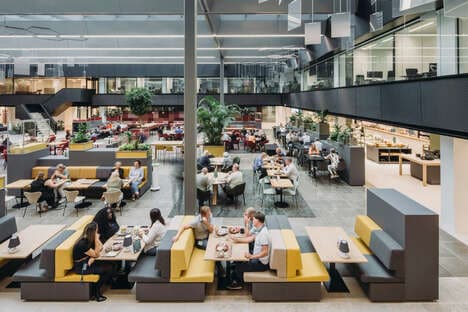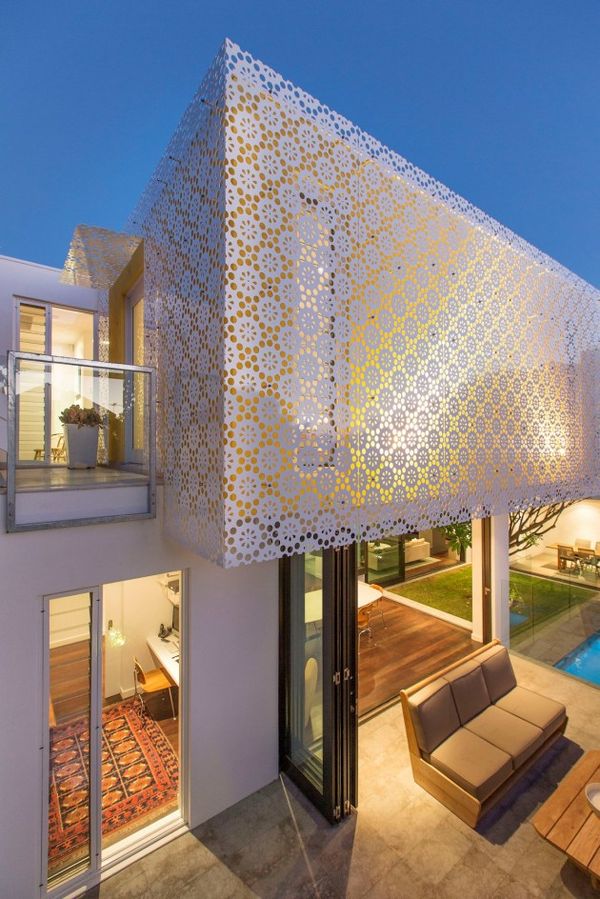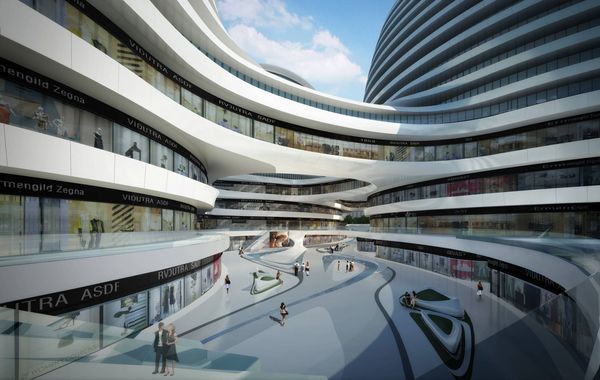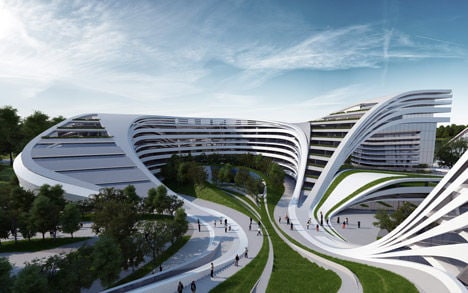

The bank of the river Tees in the UK will soon have a unique and magnificent landmark: the BEI-Teesside biomass power station. The BEI-Teesside is a building designed by London designer Thomas Heatherwick, which will provide power to over 50,000 homes in the area.
An eco-friendly structure featuring curving exterior panels planted with indigenous grasses, the amazing BEI-Teesside biomass power station stands to reduce carbon emissions by up to 80%.
Implications - This innovative structure is groundbreaking in the architectural and environmental world. Urban areas are desperately seeking methods of making their infrastructure more eco-friendly, and structures like these are sure to be an inspiration.
Key Themes Behind This Trend
- Eco-friendly Architecture
- The BEI-Teesside biomass power station demonstrates the growing trend of adopting eco-friendly architecture, providing opportunities for innovative green designs.
- Circular Economy
- The use of indigenous grasses and reusable materials in the BEI-Teesside biomass power station exemplifies a trend towards circular economy principles.
- Renewable Energy
- The BEI-Teesside biomass power station showcases the trend towards embracing renewable energy sources for power generation and storage.
Where This Applies
- Architecture
- The BEI-Teesside biomass power station provides an opportunity for architects to focus on designing innovative, eco-friendly structures.
- Environmental Services
- As demand for eco-friendly infrastructure increases, companies in the environmental services industry have an opportunity to offer specialized consulting services to clients.
- Energy
- The shift towards unconventional renewable energy sources provides opportunities for the energy industry to innovate and develop new technologies.