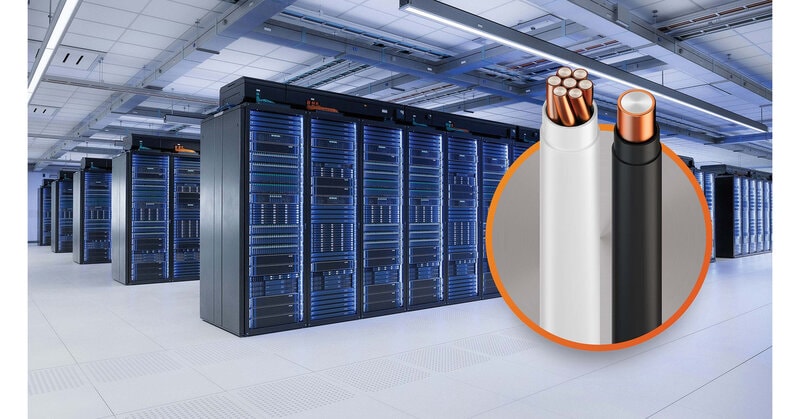
Bimetallic electrical conductors are offering commercial and industrial projects an alternative to traditional copper wiring through Copperweld's Copper-Clad Aluminum THHN/THWN-2. The product combines an aluminum core with a permanently bonded copper exterior, reducing copper requirements while maintaining electrical performance when properly sized.
Designed for building electrical systems, the 600V conductors are available in sizes ranging from 12 AWG to 1 AWG. Their lightweight construction simplifies transportation, handling, and installation across large facilities. Copperweld also reports lower voltage drop than equivalently rated copper conductors, particularly across longer distances. The wiring meets UL 83 and UL 1581 standards and supports approved wet and dry applications.
For contractors and developers, the conductors offer opportunities to manage material expenses and reduce exposure to copper price fluctuations. Lower scrap value may discourage jobsite theft, while easier handling can improve installation efficiency.
Image Credit: Copperweld
Key Themes Behind This Trend
- Copper-saving Conductors
- Hybrid metal wiring creates room for electrical systems that preserve copper-dependent performance while reducing exposure to volatile commodity costs.
- Lightweight Commercial Wiring
- Lower-weight conductors introduce efficiency gains in transport, staging, and installation for large-scale building projects with extensive electrical runs.
- Theft-resistant Materials
- Reduced scrap value in jobsite materials reshapes construction risk management by making critical infrastructure components less attractive to thieves.
Where This Applies
- Electrical Construction
- Contractors gain access to alternative wiring formats that can support code-compliant installations while improving labor productivity and cost predictability.
- Commercial Real Estate
- Large facilities benefit from material innovations that align building system performance with tighter development budgets and supply chain uncertainty.
- Industrial Infrastructure
- Manufacturing sites and heavy-use facilities can incorporate conductor technologies that address long-distance power distribution demands with lighter, cost-conscious materials.