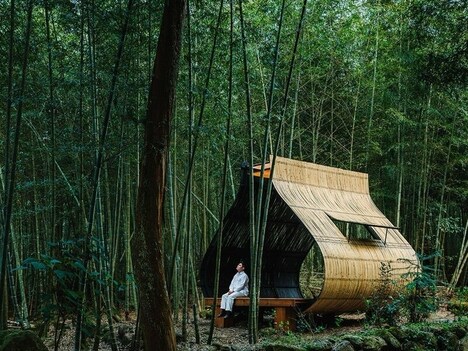
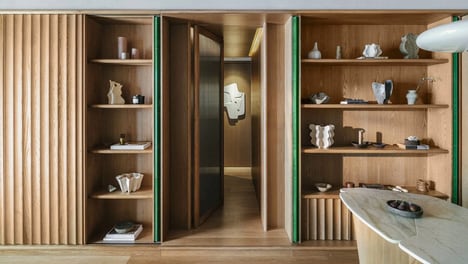
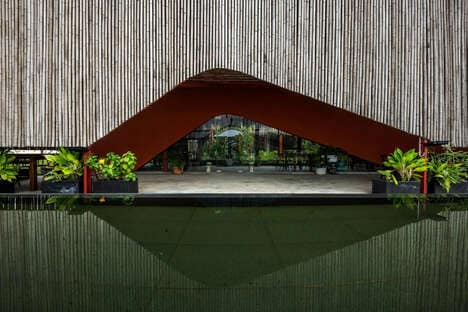
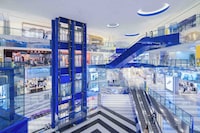
Beijing-based design firm V Studio created a bamboo-covered recreation space on top of a shopping mall in China. The space was designed to contrast the shopping mall itself, which is filled with retailers, entertainment and catering -- creating a quiet and relaxing space away from the bustling area. With white walls and flooring, the space is surrounded by bamboo, creating the illusion that it is hidden within a forest.
A large courtyard, patio and skylights allow mass amounts of natural light to flow in, blurring the boundary between the interior and exterior. Only reaching 320 square meters, this bamboo-covered recreation space is small but acts as a short-term meeting space, allowing visitors to stay for a short amount of time and return to shopping.
Image Credit: Jin Weiqi, V Studio
Why This Trend Is Growing
- Biophilic Design
- Opportunity for incorporating natural elements, such as bamboo, into architecture and interior design to create serene and relaxing spaces.
- Retailtainment
- Potential for integrating recreational and entertainment elements within shopping malls to enhance the overall customer experience.
- Blurring Boundaries
- Disruptive potential in creating seamless transitions between indoor and outdoor spaces through innovative architectural design.
Industries Being Reshaped
- Architecture
- Architects can explore biophilic design principles and incorporate natural materials like bamboo to create unique and tranquil spaces in various structures.
- Retail
- Retailers can leverage the concept of retailtainment by integrating recreational activities and entertainment features within their stores or shopping malls to attract and engage customers.
- Interior Design
- Interior designers have an opportunity to experiment with blurring the boundaries between indoor and outdoor spaces, using techniques like skylights and innovative materials, to create visually stunning and seamless environments.