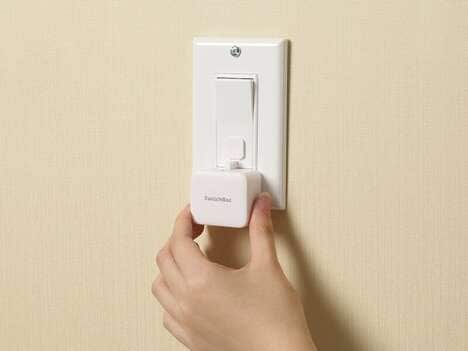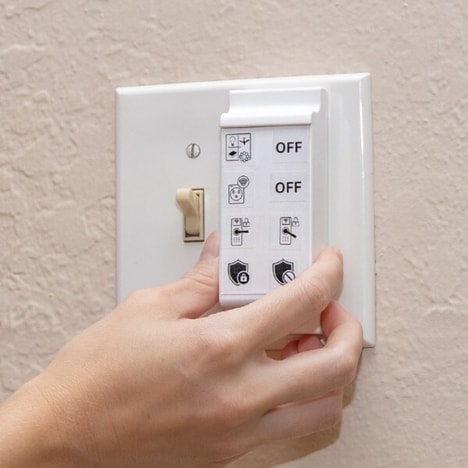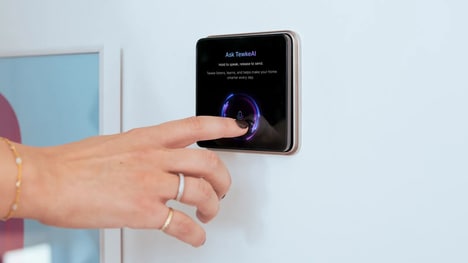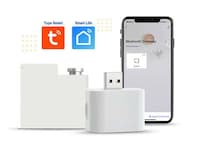


The connected home has given way to a number of innovative solutions that are great for avid programmers and developers, but the 'Togglit' DIY home automation kit takes a different approach.
Rather than requiring users to have extensive knowledge of technology, the 'Togglit' is capable of being installed with just a screwdriver. Consisting of an interface that uses an Arduino Uno and 1Sheeld, the system can run a variety of different hardware platforms including the Raspberry Pi.
The 'Togglit' DIY home automation kit can be added to a variety of different connected home scenarios to make it suitable for a bevy of different tasks. Everything from light switch toggling, to deadbolt locking can be performed with the 'Togglit.' Best of all, users can send a photo of their light switch or door lock to ensure the components they receive are compatible.
Key Themes Behind This Trend
- Simplified Home Automation
- Opportunity for businesses to create more user-friendly and easy to install home automation kits to reach a wider audience.
- DIY Home Automation
- Opportunity for businesses to create more DIY home automation kits for those who prefer a hands-on approach to home automation.
- Compatibility Verification
- Opportunity for businesses to implement compatibility verification through photos or other means to ensure that customers receive compatible components.
Where This Applies
- Home Automation
- The use of simplified and DIY home automation kits can disrupt the home automation industry, making it more accessible to those without extensive technological knowledge.
- Hardware
- A shift towards simplified and DIY home automation can create opportunities for hardware companies to create more versatile and compatible components.
- Retail
- The growing market of simplified and DIY home automation kits can lead to new retail opportunities for businesses to offer these products in-store and online.