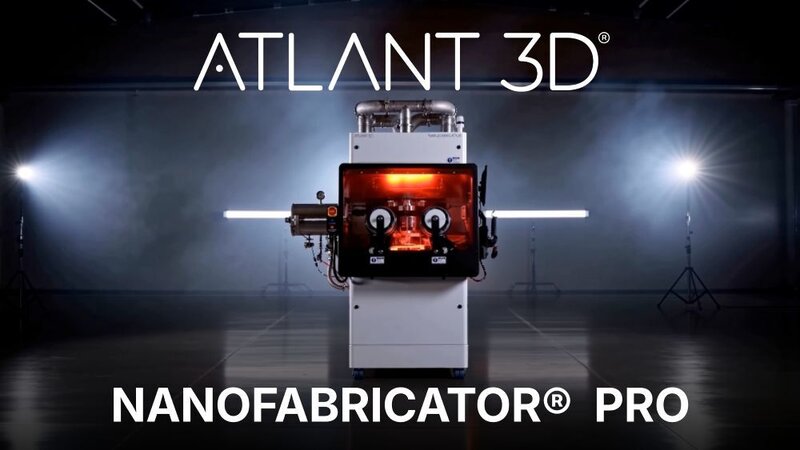
ATLANT 3D's AI materials fabricator, NANOFABRICATOR PRO, connects AI-driven materials discovery with programmable atomic-scale fabrication, experimental validation, and device prototyping. Powered by the company's Direct Atomic Layer Processing technology, the platform allows computational material predictions to be physically created and tested within a more integrated workflow. It is designed for applications spanning semiconductors, advanced packaging, quantum technologies, and other emerging fields.
By bringing traditionally separate stages of materials development closer together, the platform could shorten the path between digital discovery and manufacturable products while reducing costly experimentation and development delays. Automated Industrial Robotics is manufacturing the SEMI-compliant system in the U.S., providing ATLANT 3D with a pathway toward scalable domestic production. As AI generates growing numbers of potential materials, platforms capable of rapidly fabricating and validating those predictions could become increasingly valuable to semiconductor manufacturers, research organizations, and advanced technology companies.
Image Credit: ATLANT 3D
Key Themes Behind This Trend
- AI-guided Materials Prototyping
- Integrated systems that translate computational material predictions into testable prototypes create new value around faster validation, reduced lab iteration, and shortened commercialization cycles.
- Atomic-scale Fabrication
- Programmable deposition at the atomic level enables more precise material engineering, opening pathways for specialized components in chips, sensors, and quantum devices.
- Integrated Discovery Workflows
- The convergence of AI modeling, fabrication, and experimental testing reshapes R&D processes by compressing traditionally separate development stages into unified platforms.
Where This Applies
- Semiconductors
- Chipmakers gain access to rapid material experimentation that supports advanced packaging, novel substrates, and next-generation device architectures.
- Quantum Computing
- Quantum technology developers benefit from highly controlled material fabrication that can improve consistency in components requiring extreme precision.
- Advanced Manufacturing
- Domestic production of specialized fabrication systems strengthens scalable supply chains for emerging technologies dependent on complex material innovation.