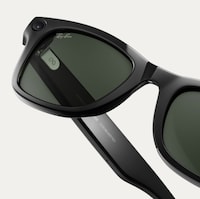

Assistive AI eyewear is expanding the role of smart glasses beyond consumer convenience by providing practical support for people with visual impairments. Meta's Ray-Ban Meta glasses use artificial intelligence, voice interaction and computer vision to help users read documents, identify objects and navigate their surroundings more independently. Through a new initiative, Meta is donating the devices to blind veterans across the United States while also providing training and support resources to help users integrate the technology into their daily lives. The program highlights how wearable AI can serve as a real-world accessibility tool rather than simply a communication or entertainment device.
As AI-powered wearables become more capable, opportunities are emerging across healthcare, accessibility and assistive technology markets. Companies developing smart devices may increasingly focus on solutions that address independence and quality-of-life challenges for underserved communities. The growing adoption of Assistive AI Eyewear could also encourage broader investment in accessible technology, creating new partnerships between technology providers, healthcare organizations and nonprofit groups.
Image Credit: Meta
What's Driving This Trend
- AI-powered Accessibility
- Artificial intelligence is turning everyday devices into adaptive support tools that improve independence for people with disabilities and expand inclusion-focused product markets.
- Assistive Smart Glasses
- Wearable vision systems are creating new value by combining computer vision, voice control and real-time contextual guidance for users with visual impairments.
- Inclusive Wearable Technology
- Purpose-built accessibility features in consumer wearables are shifting smart device innovation toward underserved communities with clear quality-of-life needs.
Who This Affects Most
- Assistive Technology
- Advanced sensory aids are broadening the market beyond specialized medical devices by integrating AI, connected hardware and user-friendly training ecosystems.
- Healthcare
- Health systems and care providers are gaining new pathways to support independent living through wearable tools that complement rehabilitation, aging-in-place and disability services.
- Nonprofit Services
- Mission-driven organizations are becoming key distribution and support partners for accessible technologies that require trust, education and community-based implementation.