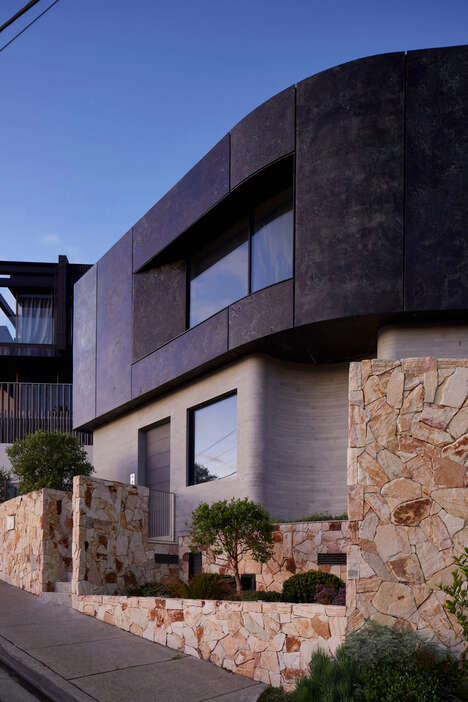
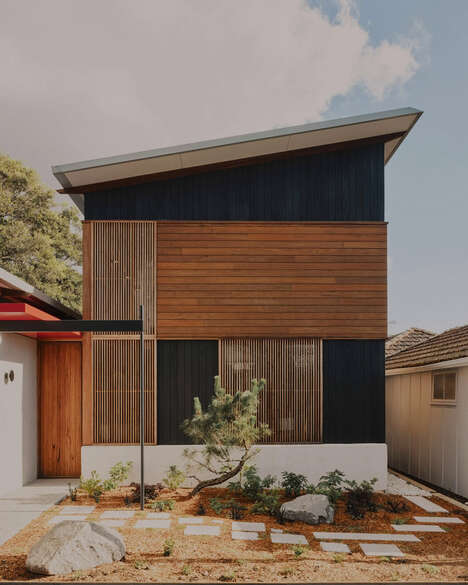
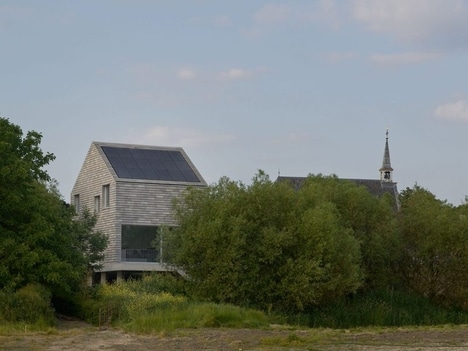
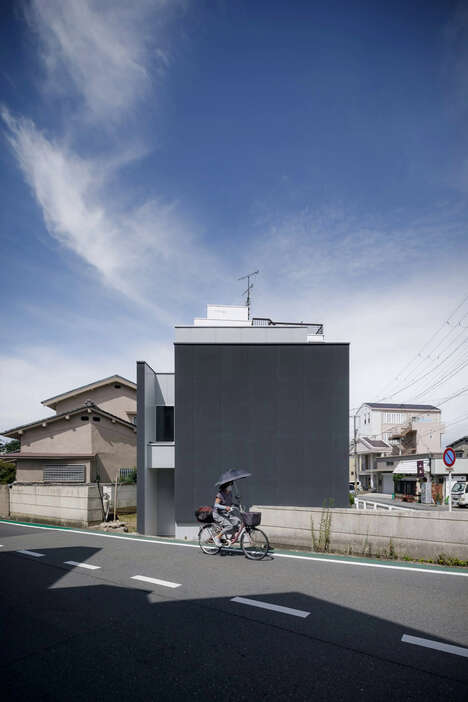
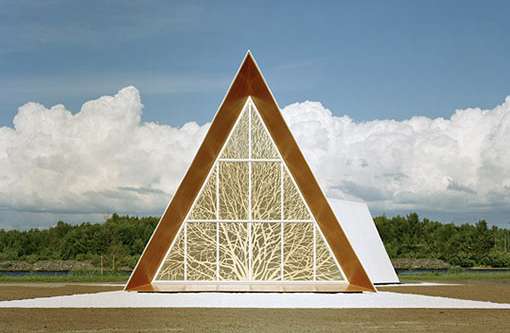
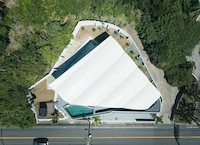
The latest creation of Mikio Tai of Tokyo’s Architect Cafe is the House in Akiya, an incredible asymmetrical two-story private home that's located next to a beach in Ama-cho, Japan.
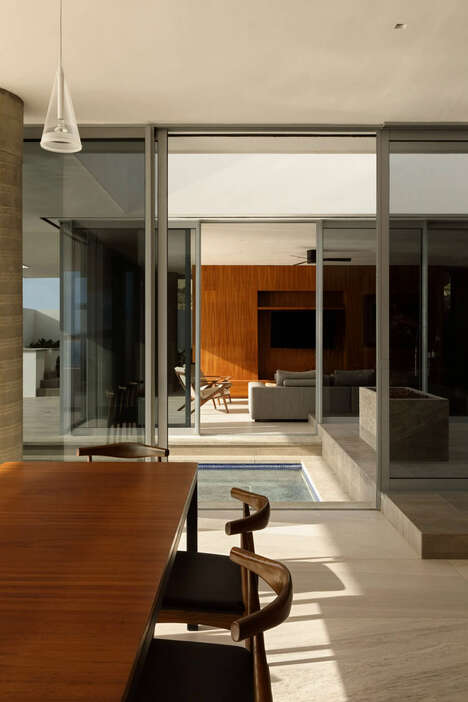
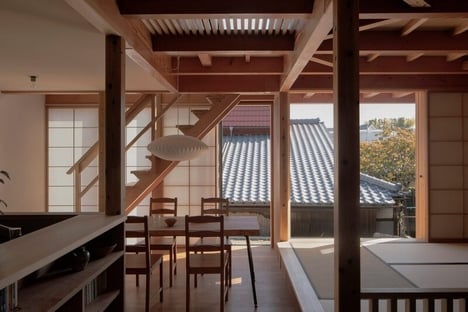
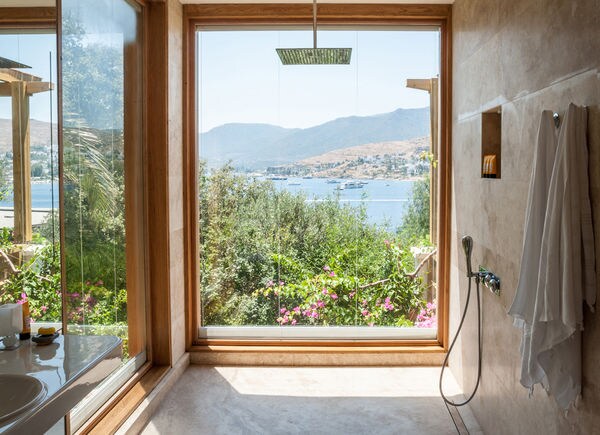
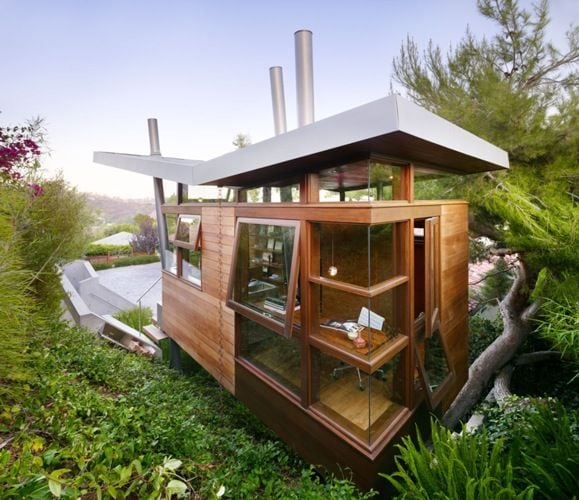
Its asymmetrical exterior notwithstanding, the house looks relatively nondescript from the outside. Inside, the home reflects a deft design that harnesses and exploits the beauty of living near a large body of water. The living space and kitchen are large, wood-paneled, open-air rooms that create a cottagelike ambiance. Large glass windows allow for a great amount of natural lighting, further enhancing the house’s organic charm.
The Architect Cafe house is also equipped with an outdoor terrace that would be perfect for tanning, late-night star gazing or romantic candlelit dinners. It’s hard to look at a place this unique and skillfully crafted and not mentally move all your furniture into it.
Photo Credits: designboom, architect-cafe
What's Driving This Trend
- Asymmetrical Design
- Disruptive innovation opportunity: Explore new ways to create asymmetrical designs in various industries, such as architecture and interior design.
- Open-air Living Spaces
- Disruptive innovation opportunity: Find innovative ways to incorporate large, open-air living spaces in residential and hospitality projects.
- Natural Lighting
- Disruptive innovation opportunity: Develop technologies and designs that maximize the use of natural lighting in homes and buildings.
Who This Affects Most
- Architecture
- Disruptive innovation opportunity: Push the boundaries of traditional architecture by incorporating asymmetrical, open-air designs in buildings and homes.
- Interior Design
- Disruptive innovation opportunity: Experiment with asymmetry and open-air concepts in interior design to create unique and captivating spaces.
- Hospitality
- Disruptive innovation opportunity: Redefine the concept of outdoor spaces in the hospitality industry by integrating open-air living areas and natural lighting in hotel and resort designs.