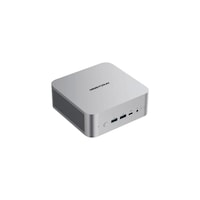

The new Apple M5 chip is the latest generation of Apple silicon designed to boost on-device artificial intelligence and graphics performance across MacBook Pro, iPad Pro, and Apple Vision Pro. Built on third-generation 3-nanometer process technology, it stands out by integrating Neural Accelerators into every GPU core while also upgrading CPU speeds, memory bandwidth, and the dedicated Neural Engine. Together, these changes raise performance for both AI workloads and high-end creative tasks.
The M5 features a new 10-core GPU with third-generation ray tracing and enhanced shader cores, delivering higher frame rates and smoother rendering for 3D, gaming, and pro content tools. Its 16-core Neural Engine and expanded unified memory bandwidth of 153 GB/s enable larger AI models and more simultaneous, intensive applications to run fully on-device. Developers using Apple frameworks like Metal, Core ML, and Metal Performance Shaders see automatic performance gains, while Tensor APIs allow direct programming of the Neural Accelerators.
For consumers and creators, the M5 translates to faster generative imaging, more responsive spatial computing, and smoother multitasking without a heavy battery penalty. On-device processing supports Apple Intelligence tools and privacy-conscious AI use by reducing reliance on cloud resources. As AI-heavy workflows become standard for video editors, designers, and developers, Apple’s M5 illustrates a growing shift toward energy-efficient, locally executed AI experiences within mainstream hardware.
Image Credit: App Developer Magazine
Key Themes Behind This Trend
- On-device Neural Integration
- The incorporation of Neural Accelerators in every GPU core of the M5 chip signifies a trend towards more sophisticated on-device AI processing, minimizing dependency on cloud-based solutions.
- AI-powered Graphics Performance
- With enhancements in GPU technology like third-generation ray tracing, there is an evident trend towards AI-driven graphics rendering, improving real-time performance in gaming and creative applications.
- Battery-efficient AI Workflows
- The M5 chip demonstrates a trend where AI workloads are managed more efficiently on-device, promoting energy savings and extending battery life.
Where This Applies
- Semiconductor Industry
- The development of the M5 chip reflects a transformative shift in the semiconductor industry, emphasizing advanced AI capabilities and energy efficiency in chip design.
- Creative Software Industry
- With increased performance for AI-heavy tasks, the creative software industry can leverage the enhanced capabilities of on-device hardware to redefine user experiences.
- Mobile Computing Industry
- The advancements in chip technology like the M5 present significant innovation opportunities for the mobile computing industry, particularly in enhancing device functionality and user privacy.