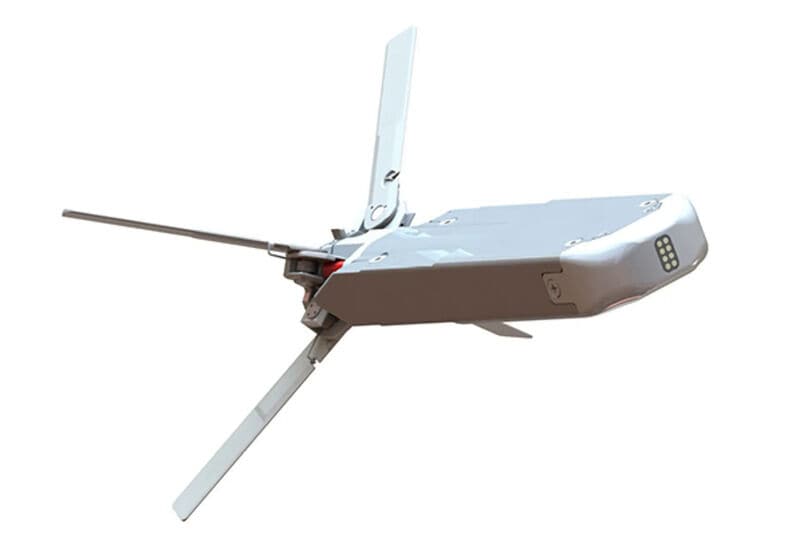
Elbit Systems has proceeded to introduce to the world to an exceptionally high tech anti-radar system in the form of the 'Nano Self Protection Electronic Attack and Reconnaissance' or 'Nano SPEAR,' which is designed to help protect aircraft from enemy radar technologies.
The 'Nano SPEAR' anti-radar system is a compact mechanism that weighs in at only 800 grams. This system makes use of radio frequency and electronic warfare technologies in order to outfox enemy missiles and guide them away from their targets in ways that conventional anti-radar systems cannot, making them an excellent complementary addition to existing technologies.
In the words of Oren Sabag, general manager over at Elbit Systems, the 'Nano SPEAR' anti-radar system offers "high-end protection capabilities" that can serve to boost the safety and efficacy of missions.
Image Credit: Elbit Systems
What Makes This Trend Stand Out
- Compact Anti-radar Systems
- The 'Nano SPEAR' anti-radar system is a compact mechanism that weighs in at only 800 grams, offering high-end protection capabilities.
- Radio Frequency Technology
- The 'Nano SPEAR' anti-radar system utilizes radio frequency and electronic warfare technologies to guide enemy missiles away from their targets.
- Enhanced Aircraft Safety
- The 'Nano SPEAR' anti-radar system can boost the safety and efficacy of missions, providing high-end protection capabilities.
Sectors Adopting This
- Aerospace
- The aerospace industry can benefit from the development of compact anti-radar systems like the 'Nano SPEAR' that enhance aircraft safety.
- Defense
- The defense industry can explore the potential of radio frequency technology and electronic warfare to develop advanced anti-radar systems.
- Electronics
- The electronics industry has opportunities to contribute to the improvement of compact anti-radar systems, such as the 'Nano SPEAR', through radio frequency and electronic warfare technologies.