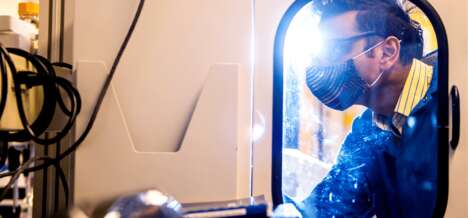
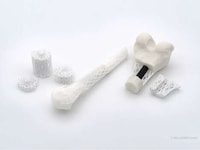
Researchers from the Advanced Materials and Bioengineering Research Center, or AMBER, at Dublin's Trinity College have invented a new technique that combines 3D printing technology with biological processes to create viable human bones and aid in bone regrowth. While there have been concepts for 3D printing bones in the past, the AMBER team's technique is the first that could potentially be used on real-world patients.
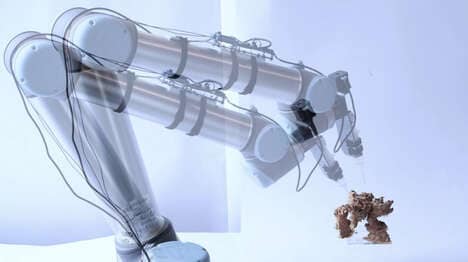
Though complicated, the system ultimately breaks down into a three step process. First, digital imaging technology creates a template of the missing bone. Next, a 3D printing machine prints out the core structure of that bone. Finally, the AMBER researchers use a bioprinter that fills the core structure with stem cells, resulting in a biologically viable bone segment.
Why This Trend Is Growing
- 3d-printed Biological Organs
- Innovations in 3D printing technology and biological processes can allow for the creation of viable human organs and assist in organ regrowth.
- Digital Imaging for Medical Procedures
- The use of digital imaging technology in medical procedures can provide more accurate templates for 3D printed bone and organ replacements and improve patient outcomes.
- Bioprinting for Medical Applications
- The use of bioprinting methods for stem cell delivery can pave the way for more advanced medical procedures and treatments.
Industries Being Reshaped
- Biomedical Engineering
- Advancements in bioprinting technology can revolutionize the field of biomedical engineering and lead to new solutions for organ and bone replacements.
- Healthcare and Medicine
- The use of 3D printing technology and bioprinting methods in healthcare and medicine can greatly improve patient care and outcomes.
- Prosthetics and Orthotics
- The development of 3D printing technology for creating biological bone replacements has the potential to revolutionize prosthetics and orthotics for amputees and individuals with bone fractures or degenerative bone diseases.