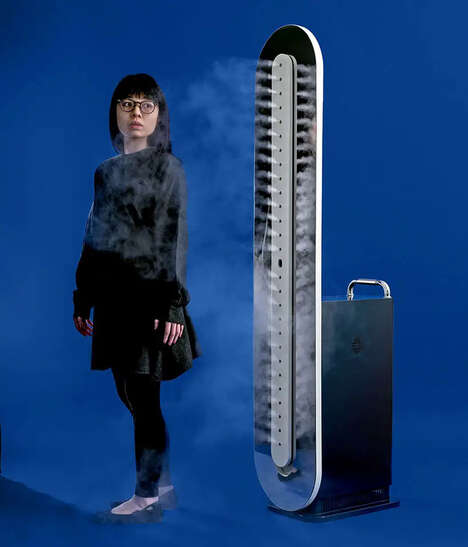
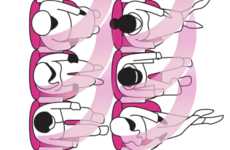
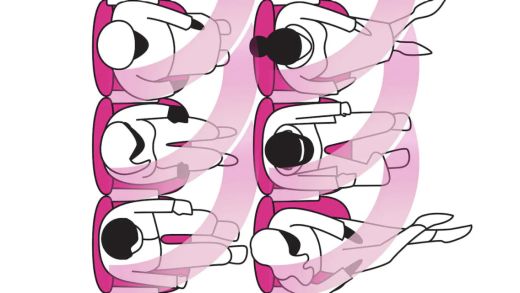
Teague, a Seattle-based design and innovation firm, recently debuted a new concept to keep passengers safe from the COVID-19 virus while boarding, called the AirShield. Designed like an airway curtain, the AirShield can be 3D-printed, retrofitted to existing aircraft.
"By utilizing the airflow from the existing overhead air-gaspers, AirShield transforms freshly purified air into engineered 'air-blades' capable of controlling the spread of droplets much more effectively – offering passengers and crew improved protection and peace of mind," Teague explained. This ensures when a passenger coughs or sneezes, the water vapor droplets are safely contained in the passenger's space. They are then re-directed downwards and into the HEPA filtration units to prevent others from breathing in the same air.
Image Credit: Teague
Why This Trend Is Growing
- Air Curtains
- The concept of air curtains as a protective barrier in confined spaces presents opportunities for innovation in various industries.
- 3D Printing
- The use of 3D printing technology in retrofitting existing aircraft with airway curtains opens up disruptive innovation opportunities.
- HEPA Filtration
- Advancements in HEPA filtration systems for capturing and containing airborne droplets in enclosed environments offer disruptive innovation opportunities.
Industries Being Reshaped
- Aerospace
- The aerospace industry can explore implementing air curtains to enhance passenger safety and reduce the transmission of viruses on planes.
- Healthcare
- The healthcare industry can adopt airway curtains to create protective barriers in hospitals and medical facilities, reducing the risk of cross-contamination.
- Manufacturing
- The manufacturing industry can leverage 3D printing technology to retrofit existing structures with air curtain systems, improving workplace safety in confined spaces.